
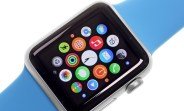
Apple is reportedly exploring a major overhaul of its smartwatch lineup, with plans that could introduce new designs, alternative form factors, and even a screenless fitness tracker. According to a recent report from Bloomberg’s Mark Gurman, the company is also considering expanding its budget-friendly options beyond the current Apple Watch SE. This potential shift signals a broader rethink of how Apple approaches wearable technology, aiming to cater to a wider range of users and use cases.
A Broader Rethink of Apple Watch
In the latest edition of his Power On newsletter, Gurman reveals that Apple’s industrial design team has spent the past year exploring what he calls a “broader rethink” of the Apple Watch. This isn’t just a minor iteration; it’s a fundamental reevaluation of the product’s role in people’s lives. The goal appears to be diversifying the lineup to appeal to different segments, from fitness enthusiasts to budget-conscious consumers, while also pushing the boundaries of what a wearable can be.
The report suggests that Apple is looking beyond the traditional rectangular watch face, considering new shapes and sizes that could redefine the wearable’s aesthetic. While details remain scarce, the implication is that the next generation of Apple Watch could look quite different from what we’ve seen so far. This aligns with Apple’s history of occasionally reinventing its product lines to stay ahead of market trends and consumer expectations.
Exploring New Form Factors
One of the most intriguing aspects of the report is the exploration of new form factors. Apple has consistently stuck with a square-ish design since the original Apple Watch launched in 2015, but that might change. The design team is reportedly experimenting with rounder cases, thinner profiles, and possibly even flexible displays. These changes could make the watch more comfortable for daily wear and open up new possibilities for interaction.
For instance, a round-faced Apple Watch would directly compete with traditional timepieces and could appeal to users who prefer a classic look. On the other hand, a thinner, lighter design might attract those who find the current models too bulky. The challenge for Apple is to maintain the functionality and battery life that users expect while introducing these new shapes. It’s a delicate balance, but one that could pay off handsomely if executed well.
The Screenless Fitness Tracker
Perhaps the most surprising revelation is the consideration of a screenless fitness tracker. This would be a significant departure from the Apple Watch’s core identity, which has always centered on a vibrant touchscreen. A screenless device would rely on haptic feedback, audio cues, and perhaps a simple LED indicator to convey information. The idea is to create a device that’s even more minimal and unobtrusive, focusing purely on activity tracking and health monitoring.
This concept isn’t entirely new—companies like Whoop have built successful screenless fitness trackers that focus on recovery and strain. Apple could leverage its health sensors and ecosystem to offer a similar product with deeper integration. For example, a screenless tracker could sync seamlessly with an iPhone, providing notifications and data through the phone’s screen while the wearable stays out of sight. This would appeal to athletes and fitness buffs who want to minimize distractions during workouts.
Potential Features and Benefits
If Apple does release a screenless fitness tracker, it could come with a range of features designed to enhance the user experience. Advanced heart rate monitoring, sleep tracking, and blood oxygen sensing are likely to be included, building on the existing Apple Watch capabilities. The lack of a screen could also lead to a longer battery life, as the display is one of the most power-hungry components. This would be a major selling point for users who are tired of charging their devices daily.
Moreover, a screenless design could make the device more durable and water-resistant, ideal for swimming, hiking, and other outdoor activities. It could also be smaller and lighter, making it more comfortable to wear 24/7. The challenge will be to create an intuitive interface that doesn’t require a screen. Haptic feedback patterns, voice guidance, and a companion app could all play a role in delivering a satisfying user experience.
Budget-Friendly Smartwatch Models
In addition to the screenless tracker, Apple is reportedly considering new budget-friendly smartwatch models beyond the existing Apple Watch SE. The SE has been a popular choice for those who want the core Apple Watch experience without the premium price tag, but Apple may be looking to expand this segment further. This could mean a more affordable version of the standard Apple Watch, or perhaps a completely new line that sits below the SE in terms of price and features.
The motivation behind this is clear: to capture a larger share of the wearable market, especially in emerging economies where price sensitivity is high. By offering a cheaper entry point, Apple could attract users who might otherwise opt for fitness bands from competitors like Fitbit or Xiaomi. The challenge is to maintain the quality and ecosystem integration that Apple is known for, even at a lower price point.
What Could a Budget Apple Watch Offer?
A budget-friendly Apple Watch would likely strip away some of the premium features to reduce costs. For example, it might use a less advanced processor, a lower-resolution display, or fewer health sensors. However, it would still need to offer the core experience—notifications, fitness tracking, and app support—to justify the Apple branding. Apple could also use more cost-effective materials, such as aluminum instead of stainless steel, and offer fewer band options.
Another possibility is that Apple could introduce a watch that relies more heavily on the iPhone for processing, reducing the need for expensive components. This would be a significant shift from the current approach, where the watch operates independently to a large degree. But it could allow for a much lower price point, potentially under $200, making it competitive with mid-range fitness trackers.
Why This Matters for the Wearable Market
Apple’s potential expansion of its smartwatch lineup could have a profound impact on the wearable industry. Apple is already the dominant player in the smartwatch market, but a broader range of products would allow it to fend off competitors more effectively. By offering a screenless tracker and budget models, Apple could appeal to consumers who have previously been put off by the high cost or the complexity of a full smartwatch.
This move would also signal a shift in Apple’s strategy from a one-size-fits-all approach to a more segmented one. It’s a recognition that not everyone wants or needs the same device. Some users prioritize advanced health monitoring, others want a stylish accessory, and many are simply looking for an affordable way to stay connected. By addressing these different needs, Apple could strengthen its ecosystem and increase customer loyalty.
Competitive Landscape
The competition in the wearable space is fierce. Samsung, Garmin, and Google (with its Pixel Watch) are all vying for market share, while fitness-focused brands like Fitbit and Whoop offer specialized devices. Apple’s current lineup is strong, but it’s not immune to competition. A more diverse product range could give Apple an edge, particularly in the budget segment where it has been less competitive.
For example, a screenless fitness tracker would directly compete with Whoop, which has a loyal following among athletes. By leveraging its health ecosystem and brand recognition, Apple could potentially capture a significant portion of that market. Similarly, a budget smartwatch could undercut offerings from Samsung and others, making it the default choice for cost-conscious consumers.
Challenges and Considerations
While the prospect of a redesigned Apple Watch lineup is exciting, there are several challenges that Apple will need to overcome. One of the biggest is ensuring that new form factors don’t compromise the user experience. A screenless device, for instance, requires a completely different interaction model, and Apple will need to ensure that it’s intuitive and useful.
There’s also the question of battery life. Adding more sensors and features typically drains the battery faster, but a screenless design could mitigate that. However, if Apple introduces new health monitoring capabilities, such as blood pressure or glucose monitoring, it could put additional strain on the battery. Apple will need to strike a balance between functionality and longevity.
Supply Chain and Manufacturing
Introducing new form factors and budget models also has implications for Apple’s supply chain. Manufacturing a screenless device would require different production processes, and sourcing cheaper components for budget models could be challenging. Apple has a reputation for high-quality products, and it will need to ensure that any cost-cutting doesn’t lead to a decline in build quality.
Additionally, Apple’s retail and marketing strategies would need to adapt. Selling a screenless fitness tracker alongside the Apple Watch could confuse consumers unless the positioning is clear. Apple would need to educate customers on the differences and benefits of each product, which could be a complex marketing task.
What to Expect Next
As of now, these are just rumors, and Apple has not confirmed any of these plans. However, the fact that Gurman, who has a strong track record of accurate Apple predictions, is reporting this suggests that there is substance to the speculation. It’s likely that Apple is in the early stages of development, and we may not see these products for another year or two.
In the meantime, Apple continues to iterate on its existing Apple Watch models, with the next generation expected to feature incremental improvements. But the broader rethink that Gurman describes could lead to a major shift in the wearable landscape. If Apple successfully executes on these ideas, it could redefine what a smartwatch is and who it’s for.
Final Thoughts
The potential redesign of Apple’s smartwatch lineup is a bold move that could reshape the wearable market. By exploring new form factors, a screenless fitness tracker, and budget-friendly models, Apple is signaling that it’s willing to take risks and innovate. Whether these products come to fruition remains to be seen, but the very fact that they’re being considered is a testament to Apple’s commitment to staying ahead of the curve.
For consumers, this is exciting news. It means more choices, more features, and potentially more affordable options in the future. Whether you’re a hardcore athlete looking for a minimal tracker, a fashion-conscious user wanting a stylish watch, or a budget-minded buyer, there could soon be an Apple wearable that fits your needs. As always, we’ll be watching closely for any official announcements from Apple.