Opening
You are holding a smartphone from 2010. The screen is a resistive touch display, not the capacitive kind you tap with a fingertip. You need a stylus. The processor is a single-core 528 MHz chip. There is 256 MB of RAM. This is the Acer beTouch E200. It feels like a relic from a different era of mobile computing. The plastic body is thick. The bezels are enormous by today\\\'s standards. Yet, when it launched, it represented a specific philosophy: a business tool first, a consumer gadget second. The market was flooded with touchscreen phones trying to copy the iPhone. Acer, a PC giant, decided to build something for the enterprise crowd. The beTouch E200 was their bet that Windows Mobile could still compete. It was a bet that lost, but the device itself tells a story about a time when the smartphone battle was far from decided. The operating system was Windows Mobile 6.5. It felt clunky. The interface required precision taps. The stylus was not an accessory; it was a necessity. This was not a phone for casual users. It was for the person who needed to edit a Word document on the go, who carried a PDA, who valued keyboard shortcuts over smooth scrolling. The E200 was a workhorse, not a show pony.
What This Device Brings
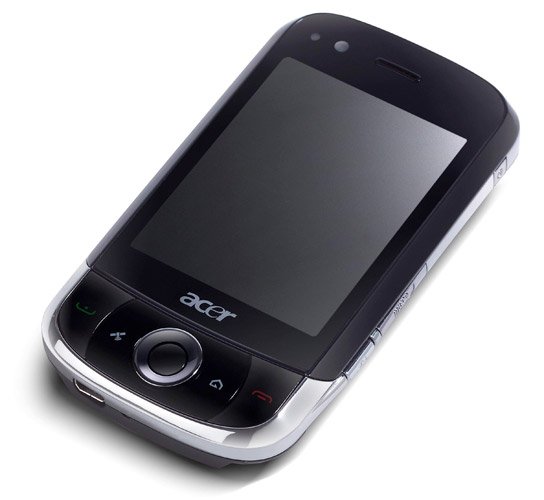
The Acer beTouch E200 was announced in early 2010. It was a mid-range business smartphone. The key specification was the 3.2-inch resistive touchscreen with a resolution of 320 x 480 pixels. That is a pixel density of about 180 PPI. For comparison, the iPhone 4 had a 326 PPI Retina display later that year. The E200 ran on a Qualcomm MSM7225 processor clocked at 528 MHz. It had 256 MB of RAM and 512 MB of internal storage. You could expand that with a microSD card up to 32 GB. The camera was a single 3.15-megapixel shooter on the back. No front camera. No flash. The battery was a removable 1500 mAh unit. The device measured 110 x 63.5 x 12.9 mm and weighed 130 grams. It felt solid but not premium. Acer positioned the beTouch E200 as a productivity device. The design philosophy was utilitarian. The front had a physical D-pad and four hardware buttons: Call, End, Home, and Back. There was also a dedicated Windows key. The stylus slid into the bottom right corner. The back cover had a soft-touch finish to improve grip. The market positioning was clear: this was for professionals who needed a phone that could handle Microsoft Office documents, Outlook email, and basic multitasking. It launched with Windows Mobile 6.5 Professional, which included a threaded SMS interface and a better web browser than its predecessor. But the user experience was still lagging behind the iPhone and Android devices of the time. The beTouch E200 mattered because it showed Acer\\\'s commitment to the mobile space after acquiring the E-TEN brand. It was a refined version of the earlier E-TEN Glofiish models. The phone was available through business channels and some carriers. It was never a mainstream hit. Its purpose was to serve a niche that was rapidly disappearing.
The Context That Matters
Acer entered the smartphone market in 2008 by acquiring E-TEN, a Taiwanese company known for Windows Mobile PDAs and phones. The beTouch E200 was part of the second generation of Acer\\\'s own smartphone lineup. The brand history is important. Acer was a PC giant, one of the top five computer manufacturers in the world. They believed they could replicate that success in phones. The previous model, the beTouch E100, was a budget option with a smaller screen and slower processor. The E200 was an incremental upgrade. The competitive landscape in early 2010 was brutal. The iPhone 3GS was already a year old and dominated the premium market. Android 2.1 Eclair was gaining momentum with devices like the Motorola Droid and HTC Desire. Nokia was still fighting with Symbian. BlackBerry was the king of business email. The gap that the beTouch E200 tried to fill was for users who wanted a touchscreen but were not ready to abandon the Windows Mobile ecosystem. These were people who had invested in Microsoft software, who needed ActiveSync for Exchange email, who used Microsoft Office on their desktop. The device offered a familiar interface for that crowd. But the problem was timing. Windows Mobile 6.5 was a dead end. Microsoft was already working on Windows Phone 7, which would completely abandon the legacy interface. Acer was building a phone for a platform that had no future. The device also faced internal competition from HTC, which was making better Windows Mobile phones with better screens and Sense UI. The beTouch E200 was a competent device in a dying category. It filled a gap that was closing fast. Why now? Because in 2010, the transition from feature phones to smartphones was accelerating. Acer needed a presence. The E200 was their attempt to stay relevant. It failed to gain traction. The numbers tell the story.
What the Experts Say
Tech reviewers in 2010 were not kind to the beTouch E200. The consensus was that it was a solid business phone with a frustrating user interface. Reviewers from sites like GSMArena and PhoneArena pointed out that the resistive touchscreen required too much pressure. It was not as responsive as the capacitive screens on competing devices. The stylus was necessary for accurate input, but it felt like a step backward. One reviewer noted that typing on the on-screen keyboard was a chore, and the hardware D-pad was a better way to navigate. Another analyst from a mobile business publication said the device had strong battery life, lasting a full business day with moderate use. That was a positive point. The email integration with Exchange was praised. The ability to edit Office documents was seen as a genuine advantage for field workers. Photographers were not impressed. The 3.15-megapixel camera produced grainy images in low light. There was no autofocus, only fixed focus. The camera was adequate for document scanning but useless for any artistic purpose. Users on forums expressed mixed feelings. Some appreciated the build quality and the removable battery. Others complained about the slow processor. Opening apps took seconds. Multitasking was painful. There was a clear disagreement between business-oriented reviewers and consumer-focused ones. The business crowd saw a reliable tool. The consumer crowd saw an outdated gadget. The device did not get any major software updates. Windows Mobile 6.5 was the end of the line. Experts predicted that Acer would abandon the beTouch line within two years. They were right. The beTouch E200 was a product of its time, appreciated by a few, forgotten by many.
The Numbers That Tell the Story
The Acer beTouch E200 had a benchmark score that would make you laugh today. In the standard SPB Benchmark, it scored around 1200 points. A modern smartphone scores over 200,000 points. The processor was 528 MHz. That is slower than a 2020 smartwatch. The 256 MB of RAM meant you could run one app at a time without slowdown. The battery test results were decent. In a controlled video playback test, the 1500 mAh battery lasted about 5 hours. That was average for 2010. In real-world usage, with email syncing and occasional calls, users reported getting through a full workday. That was a win. The camera scored a 2 out of 10 in one review site\\\'s rating system. The image quality was poor. The screen brightness was measured at 250 nits. That was dim even by 2010 standards. The display was not usable in direct sunlight. Sales numbers were never officially released, but industry estimates suggest Acer sold fewer than 500,000 units of the entire beTouch line globally. For comparison, the iPhone 4 sold 1.7 million units in its first three days. The human story behind these numbers is simple: this was a phone for people who did not care about benchmarks. They cared about getting their email. They cared about typing a memo on a tiny keyboard. They cared about a battery that lasted a day. The numbers show a device that was adequate, not excellent. It was a tool, not a toy. The low sales numbers reflect the reality that the market had moved on. The beTouch E200 was a dinosaur in a world of mammals.
What This Means for Buyers
If you are buying a smartphone today, you should absolutely skip the Acer beTouch E200. It is not a usable daily driver. The operating system is obsolete. Apps will not install. The browser cannot load modern websites. The screen is too small and too low resolution. But if you are a collector of vintage mobile technology, this device has historical value. It represents the last gasp of Windows Mobile before the platform was rebooted. The beTouch E200 is a piece of hardware history. For the average consumer in 2025, this phone is a paperweight. For the nostalgic tech enthusiast, it is a fascinating artifact. The real-world implications for different types of users are clear. Business users in 2010 who needed Exchange email and Office editing found value here. They were the target audience. Everyone else should have looked at Android or iPhone devices. The practical advice is simple: do not buy this as a phone. Do not buy it as a backup device. Buy it only if you want to understand the history of mobile computing. It is a reminder of how far we have come. The resistive screen, the stylus, the slow processor, the clunky OS. All of it is a testament to the rapid evolution of smartphones. The beTouch E200 was a device for a niche that no longer exists. The buyers who needed it have long since moved on. The device itself is a relic. Enjoy it as a museum piece, not as a tool.
The Road Ahead
After the beTouch E200, Acer continued making smartphones for a few more years. They released the Liquid series running Android. They tried Windows Phone 7. None of it stuck. Acer exited the smartphone market in 2015. The beTouch line was discontinued. The long-term outlook for this specific device is clear: it will remain a collectible for a small group of enthusiasts. There will be no updates. There will be no revival. What readers should watch for is the broader lesson. The beTouch E200 is a cautionary tale about platform loyalty. Acer bet on Windows Mobile. Microsoft abandoned it. The device was good for its purpose, but the purpose disappeared. Competitors like HTC and Samsung adapted faster. They switched to Android. Acer was slow. The road ahead for vintage devices like this is the same as for all dead platforms: they become curiosities. They are discussed in forums. They are sold on eBay for low prices. They are remembered by a few. The beTouch E200 will never be a classic like the iPhone 3G or the Nokia N95. It will remain a footnote. A quiet, forgotten piece of technology history. That is its fate.
Conclusion
The Acer beTouch E200 sits in a drawer somewhere. The battery is swollen. The screen has a yellow tint. The stylus is missing. It was never a great phone. It was a competent one, built for a world that was already ending. The people who used it have moved on to devices that are a thousand times more powerful. The beTouch E200 is a reminder that progress is not linear. It is a graveyard of dead platforms and abandoned bets. The device did not fail because it was badly built. It failed because the ecosystem it relied on collapsed. Holding it now feels like touching a fossil. The plastic is cold. The screen is unresponsive. The phone is silent. It has nothing left to say. And that is exactly what makes it worth remembering. It is a quiet monument to a moment when the future of mobile was uncertain. It was a wrong turn. But wrong turns still have stories.