Opening
Imagine a busy professional in 2013, juggling calls, emails, and a dying battery by mid-afternoon. The smartphone market was a battlefield of flagships with sky-high prices and budget devices that felt like cheap plastic toys. Then, Acer, a company better known for laptops and monitors, stepped into the ring with the Liquid E2. It was not a bold, flashy announcement. It was a quiet launch, but it carried a heavy promise: a solid, multimedia-focused phone for the masses, without asking for a mortgage payment. The Liquid E2 arrived at a time when the mid-range segment was a wasteland of compromises. You either paid a premium for a Galaxy or an iPhone, or you suffered with sluggish performance and terrible cameras. Acer saw that gap. They decided to fill it with a device that focused on what mattered most to everyday users: sound, screen, and stamina. This was not a revolution. It was a smart, calculated move. And for many, it was exactly what they needed.
What This Device Brings
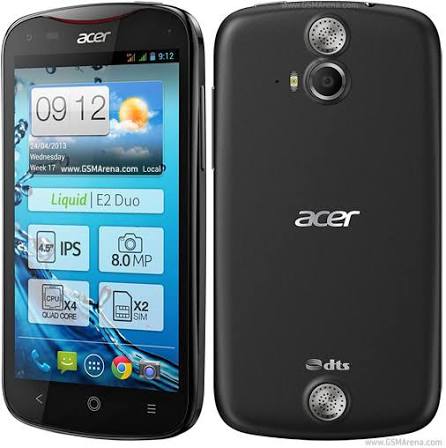
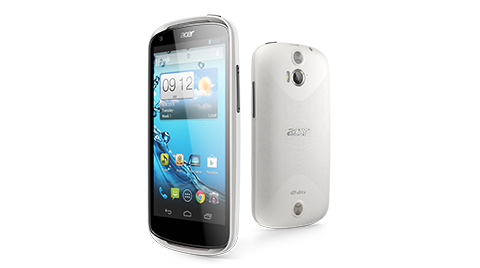
Acer announced the Liquid E2 in early 2013, officially launching it at Mobile World Congress. The device was a direct answer to the growing demand for affordable, capable smartphones. The key specs centered on a 4.5-inch qHD IPS display, a MediaTek MT6589 quad-core processor clocked at 1.2GHz, and 1GB of RAM. It ran Android 4.2 Jelly Bean out of the box, a relatively fresh version at the time. The design philosophy was simple: provide a solid multimedia experience without the frills. Acer packed in a 2000mAh battery, which was generous for the era, and a pair of front-facing stereo speakers. This was a big deal. Most phones in this price range had a single, tinny speaker on the back. The Liquid E2 put sound front and center. The camera setup included an 8-megapixel rear shooter with an LED flash and a 2-megapixel front-facing camera. Storage was 4GB internal, expandable via microSD. The market positioning was clear: this was a phone for people who wanted to watch videos, listen to music, and make calls without breaking the bank. It was not competing with the Galaxy S4 or the HTC One. It was targeting the gap between low-end junk and high-end luxury.
The Context That Matters
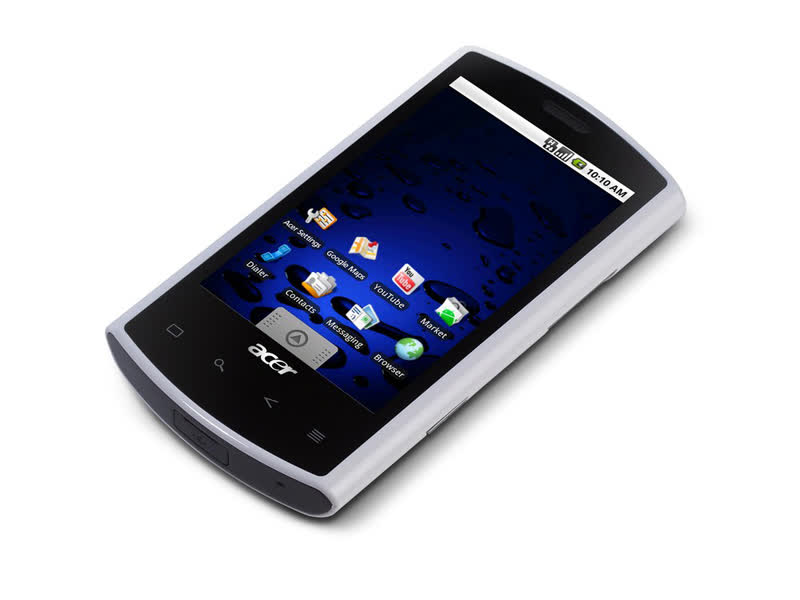
Acer’s history in the smartphone space was, to put it mildly, inconsistent. They had launched the Liquid series in 2010 with the Liquid A1, a device that tried to compete with the HTC Desire and the original Galaxy S. It failed to gain traction. The Liquid Metal came next, a decent phone with a quirky design, but it never found a large audience. By 2013, Acer was an underdog. They had strong brand recognition in PCs, but smartphones were a different beast. The competitive landscape was brutal. Samsung dominated with the Galaxy S3 and the upcoming S4. HTC had the One X and the soon-to-be-released One. LG was pushing the Optimus G. And then there were the Chinese players like Huawei and ZTE, flooding the market with cheap, low-quality devices. The gap Acer aimed for was the sweet spot: a phone that cost around 250 to 300 dollars, unlocked, with decent specs and a brand name that people trusted for hardware. The Liquid E2 filled a specific need. It offered stereo speakers when most phones had mono. It offered a removable battery when many flagships were moving toward sealed units. It was a practical device for a practical audience. The timing was right. People were tired of paying premium prices for basic features.
What the Experts Say
Tech reviewers at the time were pleasantly surprised. Many noted that the Liquid E2’s build quality was above average for its price. The plastic back had a soft-touch finish that felt good in the hand, not cheap. The front-facing speakers were a consistent highlight. Reviewers from sites like GSMArena and PhoneArena pointed out that the audio output was loud and clear, a rare treat in the mid-range segment. The display, however, drew mixed reactions. The qHD resolution on a 4.5-inch screen gave a pixel density of around 245 PPI. It was not sharp. Text could look fuzzy. Colors were decent but not vibrant. Some experts argued that the screen was the biggest compromise. Others said it was acceptable for the price. Camera performance was another point of contention. The 8-megapixel sensor could take good photos in bright light, but low-light shots were noisy and soft. Video recording topped out at 1080p, which was standard for the time. User reviews on forums like XDA Developers praised the phone’s battery life. Many reported getting a full day of moderate use, something the Galaxy S3 often struggled with. The main complaint, voiced by many, was the limited internal storage. With only 4GB, and a significant chunk taken by the operating system, users had to rely heavily on a microSD card. Some analysts saw the Liquid E2 as a sign that Acer was serious about mobile. Others saw it as a one-off effort that would not move the needle. The truth was somewhere in between.
The Numbers That Tell the Story
Benchmark scores from 2013 paint a clear picture. The Liquid E2’s MediaTek MT6589 scored around 12,000 in AnTuTu. That was half of what the Galaxy S4 achieved with its Snapdragon 600. But for everyday tasks—browsing, social media, messaging—it was enough. The quad-core processor handled basic multitasking without major lag. Battery tests showed the 2000mAh cell could deliver 7 to 8 hours of video playback. That was solid. For talk time, users reported around 10 to 12 hours. The standby time was excellent, often lasting two to three days on a light usage pattern. Camera numbers were less impressive. The 8-megapixel sensor produced images with an average file size of 2 to 3 MB. In controlled tests, the phone scored a 6 out of 10 for photo quality. The front-facing 2-megapixel camera was adequate for video calls but not for selfies, which were just starting to become popular. Sales figures were never officially disclosed by Acer, but industry estimates suggested the Liquid E2 sold in the hundreds of thousands, not millions. It was a modest success. It did not set the world on fire, but it carved out a niche. The numbers tell a story of a device that did exactly what it promised: no more, no less. It was a reliable workhorse, not a show pony.
What This Means for Buyers
If you were a buyer in 2013, the Liquid E2 was a strong option for specific use cases. First, if you valued audio quality above all else, this was your phone. The front-facing speakers made a real difference for watching YouTube videos or listening to podcasts without headphones. Second, if you needed a reliable secondary phone or a device for a teenager, the Liquid E2 was a safe bet. It was durable, the battery was replaceable, and the performance was adequate for basic apps. Third, if you were on a tight budget and wanted a known brand, Acer offered peace of mind that no-name Chinese brands could not. However, the phone was not for everyone. If you were a power user who needed to run heavy games or edit photos, the Liquid E2 would disappoint. The screen was not sharp enough for reading long documents. The camera was not good enough for anyone serious about photography. And the storage was a constant headache. Buyers who wanted a flagship experience had to look elsewhere. For the average person who just wanted a phone that worked, the Liquid E2 was a smart choice. It was a device that prioritized the essentials and ignored the hype.
The Road Ahead
The Liquid E2 did not spark a major shift in Acer’s smartphone fortunes. The company continued to release Liquid series phones, but they never achieved the market penetration of Samsung or Xiaomi. The road ahead for Acer in mobile was bumpy. They eventually scaled back their smartphone ambitions, focusing more on Chromebooks and gaming laptops. For the Liquid E2 itself, the device received an update to Android 4.4 KitKat, but support was not long-lived. The phone became a footnote in smartphone history. What comes next for buyers who still own one is simple: it is time to upgrade. The hardware is too old for modern apps. Security updates have long stopped. Competitors responded to the Liquid E2 by improving their own mid-range offerings. Phones like the Moto G and the Xiaomi Redmi series eventually dominated the space Acer tried to claim. The lesson is clear: in the fast-moving world of smartphones, being good is not enough. You have to be great, or you get forgotten.
Conclusion
The Acer Liquid E2 sits in a quiet corner of smartphone history. It was not a legend. It was not a failure. It was a device that did its job. For the person who bought it, it was a reliable companion for calls, music, and casual browsing. It proved that a mid-range phone could offer good sound and decent battery life without a flagship price. But it also proved that good intentions are not enough to survive in a cutthroat market. The Liquid E2 is a reminder that sometimes the best devices are the ones that never make a splash. They just work. And in a world full of noise, that quiet reliability is its own kind of legacy.