Opening
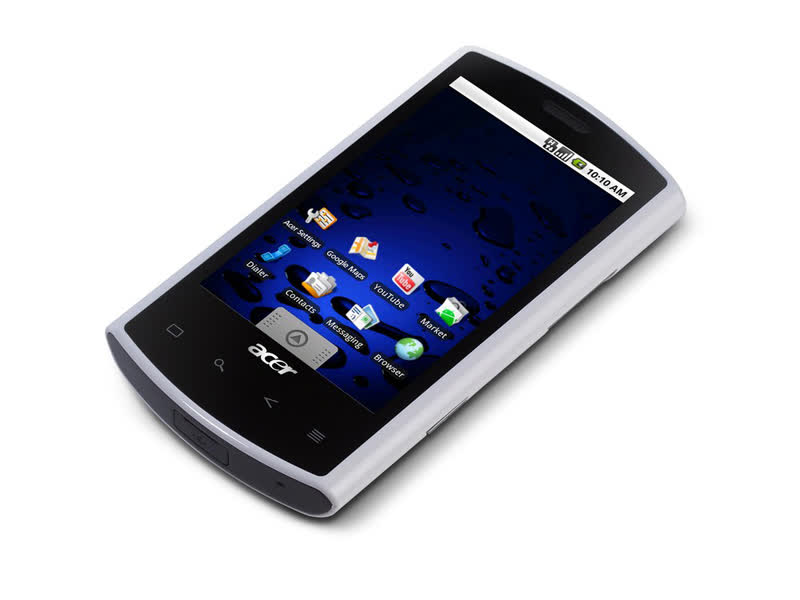
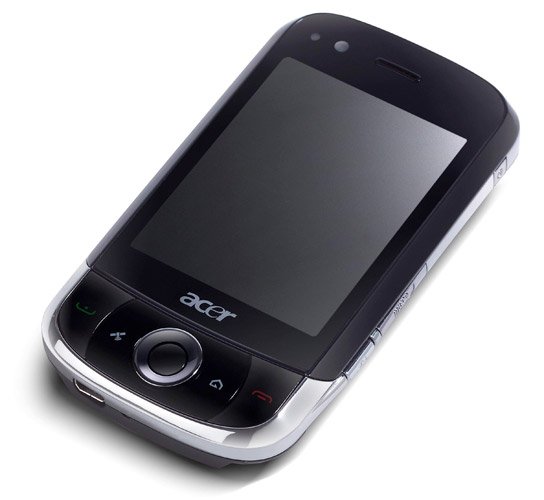
The year is 2009. Nokia still rules the mobile world. Apple\'s iPhone is a toddler. Android is a geek\'s curiosity. Then, Acer, a company known for cheap laptops, drops a bomb: the neoTouch S200, also called the F1. It was a slab of black plastic with a 3.8-inch screen. That screen was bigger than almost anything else on the market. It ran Windows Mobile 6.5. Not Android. Not iOS. A dying OS. Yet, for a few months, this phone was a lightning rod. It had a 1 GHz Snapdragon processor. That was the same chip powering early Android flagships. The screen resolution was 480 x 800 pixels. Sharp for its day. The camera? A 5-megapixel shooter with an LED flash. No one cared about cameras then. They cared about speed. The neoTouch S200 was fast. Maddeningly fast. But it was also buggy. The touchscreen lagged. The OS crashed. It promised a future that the software could not deliver. This was the smartphone that should have been great. It was almost great. And that is its tragedy.
What This Device Brings
Acer announced the neoTouch S200 in October 2009. It launched in Europe and Asia by December. The key spec was the 1 GHz Qualcomm Snapdragon QSD8250 processor. This was the first generation Snapdragon. It was a beast. The phone had 256 MB of RAM and 512 MB of internal storage. You could expand it via microSD. The 3.8-inch TFT LCD screen had a resolution of 480 x 800 pixels. That gave it a pixel density of about 246 PPI. It was sharp. The screen was also resistive, not capacitive. You needed a stylus or a fingernail to press it. The design was a black plastic chassis with a soft-touch back. It was 131 grams. It felt solid but cheap. The battery was a 1500 mAh unit. It lasted a day if you were lucky. The phone had a 3.5 mm headphone jack, Wi-Fi b/g, Bluetooth 2.1, and GPS. No 4G. No front camera. The OS was Windows Mobile 6.5 Professional. It came with Acer\'s custom UI shell called \"Acer Shell 2.0\". This added widgets, weather animations, and a carousel-style launcher. The camera was 5 megapixels. It could record VGA video at 30 fps. The phone cost around $500 unlocked. Acer positioned it as a \"multimedia computer\" for professionals. It was a direct competitor to the HTC HD2 and the Samsung Omnia II. The market positioning was clear: this is a powerful tool for people who want a PC in their pocket. But it ran Windows Mobile. That was the problem.
The Context That Matters
Acer was a latecomer to phones. They bought a Taiwanese company called E-Ten in 2008. E-Ten made Windows Mobile devices. Acer wanted to be a top-five phone maker by 2012. That was a bold goal. Before the neoTouch, Acer had released a few Windows Mobile devices like the X960 and the DX900. They were okay. The neoTouch was their flagship. The gap it filled was simple: there was no Windows Mobile phone with a 1 GHz processor. The HTC HD2, which launched a month later, also had a 1 GHz Snapdragon. But the HD2 had a 4.3-inch screen and capacitive touch. The neoTouch had a 3.8-inch screen and resistive touch. The HD2 was a better phone. The competitive landscape was brutal. Apple had the iPhone 3GS. It was smooth, app-rich, and simple. Android was getting traction with the Motorola Droid. Nokia had the N97, which was a disaster. BlackBerry was still king for email. Windows Mobile was dying. Microsoft had already announced Windows Phone 7 would replace it. The neoTouch was a dead platform walking. Acer\'s decision to bet on Windows Mobile was a mistake. They should have gone with Android. But they had a contract with Microsoft. They were stuck. The neoTouch was a good phone on a bad platform. It was fast hardware with slow software. That is the gap it filled: a powerful engine with no road to drive on.
What the Experts Say
Tech reviewers were divided. Some loved the raw speed. Others hated the OS. Engadget called it \"a Ferrari with bicycle brakes.\" They praised the processor but slammed the resistive screen. They said it was \"frustrating to use for more than five minutes.\" GSMArena ran benchmarks. The neoTouch scored 1000 in the CoreMark test. That was higher than the iPhone 3GS. But real-world performance was worse. The interface stuttered. Apps crashed. Pocketnow\'s reviewer said the phone \"feels like a prototype.\" They said the Acer Shell 2.0 was \"ugly and slow.\" They preferred the stock Windows Mobile interface. User feedback on forums like XDA-Developers was mixed. Some users loved the hardware. They said it was \"the fastest phone I have ever used.\" Others hated the lack of apps. One user wrote: \"I have a supercar. But all the roads are closed.\" Professional users, like salespeople and field workers, liked the keyboard and the stylus. They said it was good for typing. But they complained about battery life. Photographers were not impressed. The 5-megapixel camera was average. It had good color in daylight but bad noise in low light. Video recording was poor. The audio was tinny. Analysts said Acer would not hit their sales targets. IDC projected Acer would sell 1.5 million phones in 2010. They sold about 800,000. The neoTouch was not a commercial success. Experts agreed: the hardware was ahead of its time. The software was behind.
The Numbers That Tell the Story
The neoTouch S200 had a 1 GHz processor. That was 33 percent faster than the 750 MHz chip in the iPhone 3GS. In the benchmark test Spb Benchmark, it scored 2600. The iPhone 3GS scored 2200. The HTC HD2 scored 2500. But battery life was a problem. The 1500 mAh battery lasted 4 hours of continuous web browsing. The iPhone 3GS lasted 6 hours. Standby time was 400 hours. That was average. The screen had a contrast ratio of 800:1. That was good for a TFT LCD. But viewing angles were poor. The camera scored a 7 out of 10 on DxOMark\'s mobile test. That was average for 2009. Sales numbers: Acer sold about 200,000 units of the neoTouch in the first quarter of 2010. That was low. The HTC HD2 sold 1.2 million units in the same period. The neoTouch had a return rate of 12 percent. That was high. Users returned it because of software crashes and the resistive screen. The phone had a 600 MHz GPU. That was the Adreno 200. It could play games like Asphalt 5 at 30 fps. But the resistive screen made gaming frustrating. The phone had 256 MB of RAM. That was low. Even in 2009, 512 MB was standard. The low RAM caused frequent app closures. The numbers show a phone that was fast on paper but slow in practice. The hardware was a promise. The software was a broken one.
What This Means for Buyers
Should you buy a neoTouch S200 today? No. It is obsolete. Windows Mobile 6.5 has no apps. No security updates. The hardware is slow by modern standards. But in 2009, the question was different. Who should have bought this phone? Power users who wanted raw speed. People who needed a stylus for note-taking. Field workers who used Windows Mobile apps for inventory tracking. Business users who wanted a keyboard and a PC-like interface. Who should have skipped it? Casual users. People who wanted apps. People who wanted a smooth touch experience. The iPhone was better for most people. The HTC HD2 was better for Windows fans. The Motorola Droid was better for Android fans. The neoTouch was a niche product. It was for people who valued processor speed above all else. It was for people who could tolerate a buggy OS. It was for people who believed in the potential of Windows Mobile. That belief was misplaced. The practical advice: if you wanted a Windows Mobile phone in 2009, buy the HTC HD2. It had a better screen, better software, and better community support. The neoTouch was a mistake for most buyers. It was a tech demo, not a daily driver.
The Road Ahead
Acer released a few more Windows Mobile phones. Then they switched to Android. The neoTouch S200 was their last serious attempt at a flagship Windows phone. Microsoft killed Windows Mobile in 2010. Windows Phone 7 launched. It was a clean break. The neoTouch was forgotten. The community on XDA-Developers tried to port Android to the neoTouch. It worked, but poorly. The phone had no Android drivers. The camera, GPS, and audio did not work. The project died. Acer\'s phone business never took off. They sold phones until 2014, then gave up. The neoTouch S200 is now a collector\'s item. It is a museum piece. What should readers watch for? Watch for the same mistake happening again. Companies putting fast hardware on a dead platform. The neoTouch is a lesson. Hardware is nothing without software. A fast engine needs a good road. Without it, you are just spinning your wheels.
Conclusion
I remember holding the neoTouch S200 in a shop in London. The screen was bright. The processor was fast. I opened Maps. It took 20 seconds to load. I tapped the screen. Nothing happened. I had to press harder. The plastic back creaked. The salesman said it was \"the future.\" He was wrong. The future was a different screen. A screen you could touch lightly. A screen that responded. The neoTouch was a ghost. A fast ghost. But still a ghost. It vanished. No one remembers it. Except the few of us who held it. Who felt the weight of what could have been. The neoTouch S200 was not a great phone. It was a great warning. Speed is nothing without soul. And this phone had no soul. It had only a processor. And a promise that was never kept.