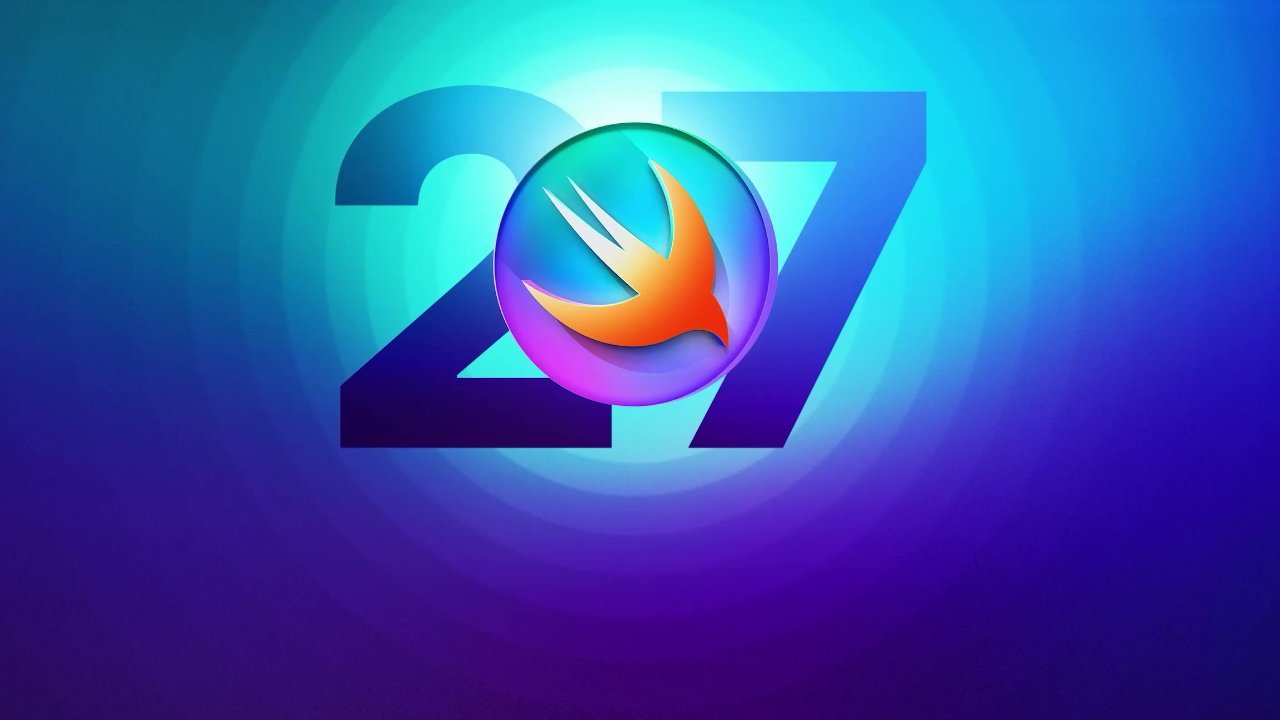
Apple has quietly dropped a significant piece of news for young developers: its annual Swift Student Challenge will open on February 8, 2027, and run through February 28. But the bigger headline isn’t the date—it’s the scope. For the first time, students won’t be limited to building apps for iPhone and iPad. They’ll be able to submit projects for the Mac, Apple Watch, Apple TV, and even Apple Vision Pro.
That’s a meaningful shift for a contest that has long been a launchpad for budding app creators. The Swift Student Challenge has traditionally served as a pre-WWDC warm-up, giving students a chance to showcase their coding chops and earn recognition ahead of Apple’s biggest developer event of the year. By widening the platform net, Apple is essentially telling students that the future of its ecosystem isn’t just about the phone in your pocket—it’s about every screen and surface the company makes.
A Quick Refresher on the Swift Student Challenge
For the uninitiated, the Swift Student Challenge is Apple’s annual coding competition for students. Participants build an app playground using Swift, Apple’s own programming language, and submit it for judging. Winners get perks that range from exclusive swag to invitations to Apple Park and, in some cases, travel support to WWDC. It’s not a cash prize situation—it’s about exposure, mentorship, and the kind of resume line that opens doors in the tech industry.
The challenge has historically been tightly focused on iOS and iPadOS. That made sense: those were the platforms where most young developers cut their teeth, and where the App Store offered the clearest path from hobby project to real product. But the consumer electronics landscape has changed, and Apple’s device lineup is now far more diverse than it was when the challenge first launched.
Why the Platform Expansion Matters
Opening the challenge to Mac, Apple Watch, Apple TV, and Vision Pro isn’t just a cosmetic tweak. It reflects a broader reality in the consumer electronics industry: the smartphone is no longer the only canvas that matters. Wearables like the Apple Watch have become serious health and fitness platforms. The Mac remains the workhorse for creative professionals and developers. Apple TV is a quietly important hub for the smart home. And Vision Pro, despite its niche status, represents Apple’s bet on spatial computing.
For students, this means more ways to express ideas. Someone passionate about health tracking can build a watchOS app that monitors workouts or sleep patterns. A student interested in living-room entertainment could craft a tvOS experience that rethinks how families interact with their television. And the truly ambitious might tackle visionOS, building immersive experiences that hint at where computing is headed next.
The Strategic Angle: Apple’s Ecosystem Play
Apple has always been a company that sells an ecosystem, not just individual devices. The iPhone is the anchor, but the magic happens when your AirPods seamlessly switch between your Mac and your iPad, or when your Apple Watch unlocks your laptop. By encouraging students to develop for multiple platforms, Apple is reinforcing that ecosystem story from the ground up.
There’s also a practical benefit for Apple. The more platforms its developer community supports, the stickier its products become. A student who builds a great watchOS app today might become a professional developer who ships a hit Apple Watch app tomorrow—and that app makes the Watch more valuable to everyone who owns one. It’s a long game, but Apple has always been good at those.
What This Means for the Next Generation of Developers
The timing of the announcement is notable. Apple typically reveals Swift Student Challenge details in the months leading up to WWDC, and the 2027 edition is no exception. But by announcing the platform expansion now, Apple gives students more time to plan. Building for visionOS, for example, requires a different mindset than building for iOS. It’s not just about learning new APIs—it’s about rethinking what an app even is when it lives in three-dimensional space.
That learning curve is steep, but it’s also exactly the kind of challenge that excites ambitious young coders. The students who take advantage of this expanded scope will graduate with skills that are increasingly in demand. Spatial computing is still in its infancy, but the developers who understand it early will have a significant advantage as the industry matures.
The Bigger Picture: Consumer Electronics in 2027
Zoom out for a moment, and the Swift Student Challenge expansion looks like a microcosm of the broader consumer electronics industry. Smartphones remain the center of gravity, but the action is spreading outward. Wearables are booming. Smart home devices are proliferating. And spatial computing, while still niche, is attracting serious investment from Apple, Meta, and others.
For students entering the workforce in the late 2020s, versatility will be key. The ability to build for multiple platforms—and to understand how those platforms complement each other—is a genuine competitive advantage. Apple’s decision to open the challenge to all its platforms is a tacit acknowledgment of that reality.
What About the Hardware?
It’s worth noting that this announcement is purely about software development, but it has hardware implications. If Apple wants students to build for Vision Pro, those students need access to Vision Pro hardware—or at least to simulators that approximate the experience. Apple has historically provided software tools like Xcode and Swift Playgrounds for free, but the hardware barrier is real. A MacBook Air is one thing; a $3,500 headset is another.
That’s a challenge Apple will need to navigate. The company has expanded access programs in the past, and it’s possible we’ll see similar efforts for Vision Pro development. But for now, the platform expansion is an invitation—and it’s up to students to decide whether they can accept it.
Key Dates and How to Prepare
If you’re a student planning to enter, mark your calendar: the challenge opens February 8, 2027, and closes February 28. That’s a three-week window, which is tight but not unreasonable for a focused project. Apple typically provides resources and sample code to help participants get started, and Swift Playgrounds makes it relatively easy to prototype ideas on an iPad.
For those aiming at the new platforms, it’s worth spending time with Apple’s developer documentation well before the challenge opens. The visionOS developer kit, in particular, has a learning curve that rewards early preparation. And if you’re building for watchOS or tvOS, think about what makes those platforms unique—the small screen, the remote-based interaction, the health sensors—rather than just porting an iOS idea over.
Final Thoughts
Apple’s Swift Student Challenge has always been about more than just winning. It’s about learning, experimenting, and joining a community of young developers who are excited about building things. The 2027 expansion to all platforms makes that community broader and more diverse. It’s a small change on paper, but it could have an outsized impact on the next generation of app creators—and on the consumer electronics industry they’ll help shape.