Opening
The year is 2010. BlackBerry is still a status symbol. The iPhone 3GS is the benchmark. Most people are still thumbing physical QWERTY keyboards. Then Acer, a company best known for making affordable laptops, drops the beTouch E400. It was a smartphone that tried to be everything to everyone. And for a brief moment, it succeeded in being one of the most interesting failures of its era. The phone felt like a compromise from the moment you picked it up. The plastic was cheap. The screen was resistive. But it ran Android 2.1, Eclair, at a time when that mattered. This phone was not for the tech elite. It was for the person who wanted to ditch a feature phone but could not afford a flagship. It was a device that shouted, \"I am modern.\" But it whispered, \"I am budget.\" And that whisper defined its entire existence.
What This Device Brings
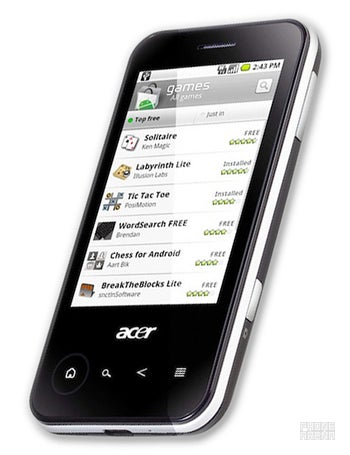
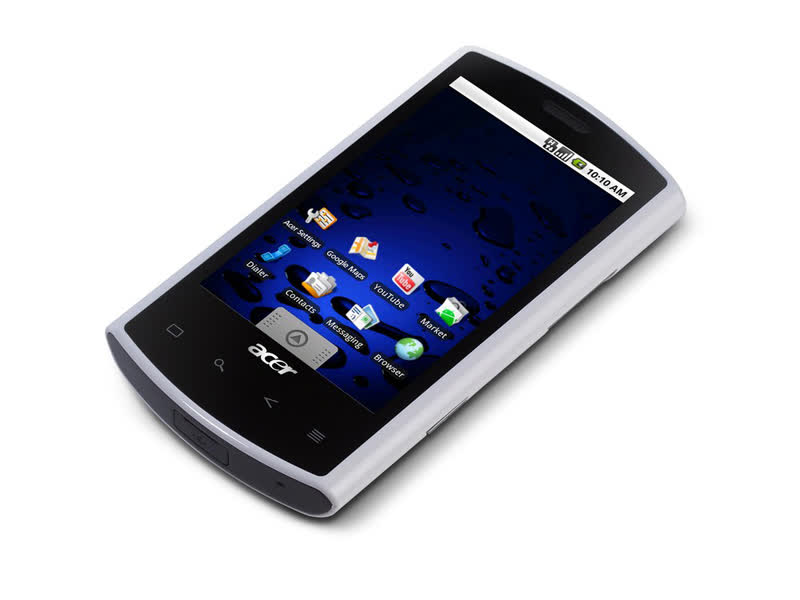
Acer announced the beTouch E400 in February 2010. It launched globally later that spring. The phone was a direct response to the growing demand for affordable Android smartphones. It was not a headliner. It was a workhorse. The specifications read like a checklist of what was acceptable in 2010. A 3.2-inch resistive touchscreen with a resolution of 320 by 480 pixels. A 600 MHz Qualcomm MSM7227 processor. 256 MB of RAM. 512 MB of internal storage. A 3.15-megapixel rear camera. No front-facing camera. No flash. The battery was a 1500 mAh unit. The phone supported Wi-Fi b/g, Bluetooth 2.1, and GPS. It ran Android 2.1 Eclair with Acer’s custom UI shell, called Acer UI. That skin was a heavy overlay. It added widgets, a custom app drawer, and a social networking hub. The design was a candy bar form factor. It measured 115 by 62.5 by 12.5 millimeters. It weighed 125 grams. The back cover was a textured plastic. The phone came in black, white, and a rather odd silver. The market positioning was clear. This was a budget Android phone for the mass market. Acer wanted to sell it to first-time smartphone buyers in Europe and Asia. The price point was aggressive. It launched at around 250 euros unlocked. That was half the price of a flagship device. The philosophy was simple. Offer enough to be useful. Cut corners where you can. It was a pragmatic device in an era of excess.
The Context That Matters
Acer was a giant in PCs. By 2010, they were the number two PC maker in the world. But mobile was a different game. They had bought E-TEN, a Taiwanese smartphone maker, in 2008. That acquisition gave them the technology to build Windows Mobile phones. The beTouch line was their first major push into Android. The E400 was actually the fourth beTouch model. The earlier ones ran Windows Mobile. The shift to Android was a desperate move. Acer saw that Windows Mobile was dying. They needed a new platform. The competitive landscape was brutal. HTC was the dominant Android maker. Samsung was starting to rise. Motorola had the Droid. And the original Motorola Backflip was a disaster. The E400 filled a very specific gap. It was cheaper than an HTC Legend. It was more capable than a budget feature phone. It was a phone for the emerging middle class in developing markets. The timing mattered. Android 2.1 was a stable release. The app ecosystem was growing. Google Maps was free. YouTube worked. The browser was decent. For someone upgrading from a Nokia 6300, the E400 felt like a spaceship. But the gap was closing fast. By late 2010, the Samsung Galaxy S was out. The iPhone 4 was a sensation. The beTouch E400 was already outdated the day it shipped. The processor was slow. The resistive screen was a nightmare. The RAM was anemic. It was a phone built for a world that was already changing.
What the Experts Say
Tech reviewers were not kind. The consensus was that the E400 was a functional but frustrating device. The resistive touchscreen drew the most criticism. One reviewer noted that the screen required a hard press to register input. It was not responsive to light touches. Another complained that the Acer UI was sluggish and prone to lag. The 600 MHz processor struggled with basic multitasking. Opening the browser after a call could take five seconds. The camera was universally panned. Photos were described as \"soft\" and \"noisy.\" Low light performance was nearly unusable. The build quality was called \"plasticky\" and \"hollow.\" The battery life was actually a rare bright spot. The 1500 mAh battery lasted a full day with moderate use. That was good for 2010. Some users praised the social networking integration. The Acer UI had a single widget that showed Facebook and Twitter updates. That was novel. But the software was buggy. The phone would sometimes fail to sync contacts. The GPS was slow to lock on. There was a disagreement among analysts about the market. Some argued that the E400 was a necessary stepping stone. It brought Android to a price point that HTC and Samsung ignored. Others called it a half-hearted effort. They said Acer did not commit enough resources. The user community was split. Some loved the device for its price. Others sold it within a month. The most common complaint was the screen. The most common compliment was the value. The phone was a classic case of you get what you pay for.
The Numbers That Tell the Story
The benchmarks were ugly. The Acer beTouch E400 scored 384 on Quadrant. That was half the score of a Nexus One. The browser benchmark, SunSpider, took 12 seconds to complete. The iPhone 4 did it in 3 seconds. The camera test told a sad story. The 3.15-megapixel sensor had no autofocus. The lens was fixed focus. The aperture was f/2.8. Daylight photos showed decent color but terrible sharpness. The resolution was 2048 by 1536 pixels. But the details were mushy. The battery test was the only positive number. The phone delivered 5 hours of continuous screen-on time. That was good for 2010. Standby time was 400 hours. A single charge could last two days for light users. The sales data was hard to find. Acer never released official numbers. But industry estimates put total beTouch E400 sales at around 500,000 units. That was a fraction of what HTC sold. The price dropped fast. Six months after launch, the phone was selling for 150 euros. The resale value was terrible. A used E400 in 2011 was worth 50 euros. The repair cost was low. A replacement screen cost 30 euros. The phone was easy to take apart. The battery was removable. The SIM card slot was standard. The storage was expandable via microSD. The phone supported cards up to 32 GB. That was generous for the price. The numbers told a story of a phone that was just barely good enough. It was not a failure by sales. It was a failure by aspiration.
What This Means for Buyers
Do not buy this phone in 2024. That is the blunt truth. The Android 2.1 operating system is dead. Most apps will not run. The browser will not load modern websites. The security is nonexistent. But if you are a collector, this is a piece of history. The beTouch E400 represents the awkward adolescence of Android. It shows how far we have come. The phone is also a lesson for budget buyers. The lesson is simple. Do not buy a phone with a resistive screen. Do not buy a phone with 256 MB of RAM. Do not buy a phone with a fixed-focus camera. These are not compromises. They are dealbreakers. For a buyer in 2010, the phone made sense if your budget was under 200 euros. You could browse the web. You could use Google Maps. You could check Facebook. You could not play games. You could not watch videos smoothly. The phone was for communication, not consumption. The target buyer was the business traveler on a budget. The person who needed email and a calendar. The person who did not care about the camera. The person who wanted a phone that worked. And the E400 did work. It just did not work well. The phone was a tool, not a toy. For the right person, that was enough.
The Road Ahead
Acer did not give up on mobile. But the beTouch line died quietly. Acer released the beTouch E400 successor, the E130, later in 2010. It was worse. The company shifted focus to tablets. The Iconia Tab was their next big push. It also failed. Acer eventually exited the smartphone market in most regions. The company still makes phones for niche markets in Asia. But the dream of Acer as a major mobile player is dead. The competition reacted by ignoring the budget segment. Samsung and HTC focused on the high end. The gap was filled by Chinese brands like Xiaomi and Huawei. They learned from Acer’s mistakes. They offered better specs for the same price. The beTouch E400 is a forgotten footnote. But it is a valuable one. It shows that price alone is not enough. You need performance. You need quality. You need a vision. Acer had none of those. The phone was a product of its time. A time when Android was still a scrappy underdog. A time when a 600 MHz processor was considered acceptable. The road ahead for Acer was not in phones. It was in Chromebooks and gaming monitors. The beTouch E400 was a dead end. But it was a necessary one.
Conclusion
The Acer beTouch E400 sits in a drawer somewhere. The battery is swollen. The screen is cracked. The plastic is yellowed. It is a relic of a forgotten era. A time when phones were cheap. When Android was ugly. When the future was uncertain. The phone did not change the world. It did not sell millions. It did not inspire a generation. But it was real. It was a product of ambition and limitation. It was a phone for people who could not afford better. And in that, it was honest. The beTouch E400 was not a great phone. It was not even a good phone. But it was a phone that tried. And for that, it deserves a quiet moment of respect. The screen is dark now. The battery is dead. But the story remains. A story of a company that tried to enter a new world. And failed. But tried anyway.