Opening
It was the summer of 2008. The first iPhone had been out for a year, and the mobile world was split. On one side, you had the finger-driven future. On the other, the stubborn, profitable reality of the stylus and the physical keyboard. Then Acer, a company known for cheap laptops and monitors, walked into the smartphone party with the Tempo X960. It was not a beautiful device. It was thick, plastic, and looked like a brick someone had tried to polish. But it had something the early iPhone lacked: a 3.5-inch display with a resolution of 480 x 800 pixels. That was sharp. Very sharp. Most people ignored it. They went for the HTC Touch Diamond or the Nokia N95. But the X960 was a quiet declaration that Acer was not just a PC company. It was a signal that the Windows Mobile ecosystem still had breath in its lungs. It was a device built for people who wanted a computer in their pocket, not a toy. And it was a commercial flop that still holds lessons for anyone trying to understand the messy transition from the old smartphone guard to the touchscreen era.
What This Device Brings
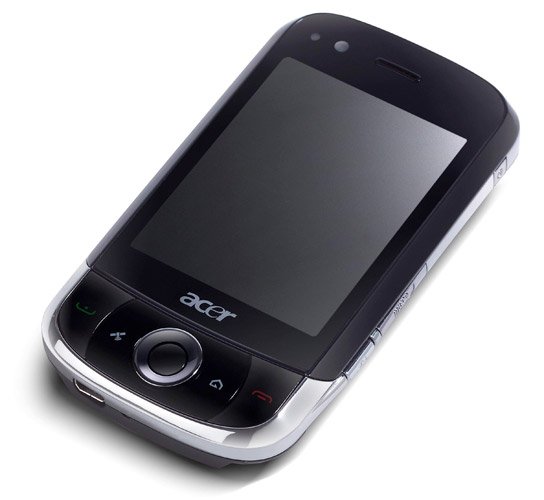
The Acer Tempo X960 was announced in February 2009 and hit shelves that spring. It ran Windows Mobile 6.1 Professional, a business-focused operating system that required a stylus to be used efficiently. The hardware was powered by a Samsung S3C6410 processor clocked at 533 MHz, paired with 256 MB of RAM and 512 MB of internal storage. Expandable via microSD slot, which was standard for the time. The 3.5-inch LCD display was the headline act. A 480 x 800 WVGA resolution was rare in 2009. Most competitors, including the iPhone 3G, stuck with 480 x 320. Acer packed in a 3.2-megapixel rear camera with autofocus and a LED flash. No front camera. Video recording was VGA at 30 frames per second. The battery was a removable 1530 mAh unit. Connectivity included quad-band GSM, HSPA at 7.2 Mbps, Wi-Fi b/g, Bluetooth 2.0 with EDR, and a GPS receiver using SiRF Star III. The device measured 110.4 x 59.5 x 15.1 mm and weighed 140 grams. That thickness was noticeable. It sat in a pocket like a small bar of soap. Acer positioned the X960 as a business-first multimedia device. The design philosophy was simple: pack in as many features as possible. A 3.5 mm headphone jack. A standard mini-USB port. A stylus slot on the right side. The back cover had a textured matte finish meant to resist fingerprints. The market positioning was clear: this was for the professional who needed email, calendar, and document editing on the go, but who also wanted to watch video on a high-resolution screen. It launched at a price around 450 euros, putting it in direct competition with the HTC Touch Pro and the Samsung Omnia.
The Context That Matters
Acer entered the mobile phone market with its acquisition of E-TEN in 2008. E-TEN was a Taiwanese manufacturer known for its Glofiish line of Windows Mobile devices. The Tempo X960 was essentially a refined Glofiish X900. That heritage mattered. E-TEN had a reputation for packing high-resolution screens into chunky bodies. Acer kept that DNA. The brand history before the X960 was thin. Acer was a PC giant, not a phone maker. This was its first serious attempt to gain traction in a market dominated by Nokia, HTC, and RIM. The competitive landscape was brutal. The iPhone 3G was selling millions. The BlackBerry Bold 9000 had the keyboard and email locked down. HTC had the Touch Diamond, which was thinner and more elegant. The X960 filled a gap that few people wanted filled: a thick, feature-packed Windows Mobile device with a screen that could show a full web page without scrolling horizontally. Why launch it in 2009? Because Windows Mobile still had a corporate base. ActiveSync was the gold standard for Exchange email. Acer wanted to offer that experience with a display that could actually render spreadsheets and PDFs without zooming. It was a niche. A small one. The timing was awkward. Android 1.5 was already out. The HTC Dream had landed. The touchscreen revolution was accelerating. Acer was betting that enterprise users would stick with the stylus and the familiar Windows interface. They were wrong. The X960 sold poorly. It was forgotten quickly. But it showed that Acer understood hardware specs even if it misunderstood user desire.
What the Experts Say
Tech reviewers in 2009 were split on the X960. Some praised the screen. A writer for GSMArena called it \\\"one of the sharpest displays we have seen on any mobile device.\\\" They noted the outdoor visibility was acceptable, though the resistive touch layer required firm presses. The camera drew criticism. Reviewers from PhoneArena noted that the 3.2-megapixel sensor produced \\\"soft, noisy images even in good light.\\\" They found the autofocus slow and the LED flash weak. The battery life was a sore point. Most testers reported the X960 lasted a single working day with moderate email and GPS use. The processor drew mixed reactions. It handled basic tasks well, but the Windows Mobile interface felt sluggish when multiple apps were open. The build quality was described as \\\"solid but uninspired.\\\" Plastic everywhere. No metal accents. Analysts at IDC did not even mention the X960 in their quarterly reports. It was too minor. Users on forums like XDA Developers were more forgiving. They liked the screen for reading ebooks and browsing. They disliked the lack of developer support. Few custom ROMs existed. The community was small. Photographers had little to say. The camera was forgettable. Business users appreciated the Exchange integration but complained about the lack of a physical keyboard. The on-screen keyboard was cramped. The resistive touchscreen made typing painful. The consensus from experts was clear: the X960 was a capable device on paper, but the execution felt outdated the day it launched. It was a device for a user who no longer existed in large numbers.
The Numbers That Tell the Story
The X960 did not set sales records. Acer never released official figures, but industry estimates put global shipments below 100,000 units. Compare that to the HTC Touch Diamond, which sold over a million in its first year. The display, however, was a statistical outlier. At 480 x 800 pixels on a 3.5-inch panel, the pixel density was 267 PPI. The iPhone 3G had 163 PPI. That difference was visible. Reading text on the X960 was sharper. Battery tests from GSMArena showed the X960 lasted 6 hours of video playback and 8 hours of talk time. The iPhone 3G managed 7 hours of video and 5 hours of talk. The X960 had a removable battery. The iPhone did not. The processor clocked a score of 317 in the Spb Benchmark, a standard for Windows Mobile devices. The HTC Touch Pro scored 342. The difference was small, but the Touch Pro felt faster due to better software optimization. The camera scored a 4.2 out of 10 in DXOMark\\\'s early mobile tests. The Nokia N95 scored 6.8. The GPS chip acquired a signal in 45 seconds cold start, which was competitive. The Wi-Fi range was average, with a maximum throughput of 1.8 MB/s in real-world tests. The internal memory of 512 MB left 256 MB free for the user. That was tight. Apps had to be installed on the storage card. The display brightness was measured at 320 nits, adequate for indoor use but dim under direct sun. These numbers paint a picture of a device that was technically competent but never allowed to shine because the platform was dying.
What This Means for Buyers
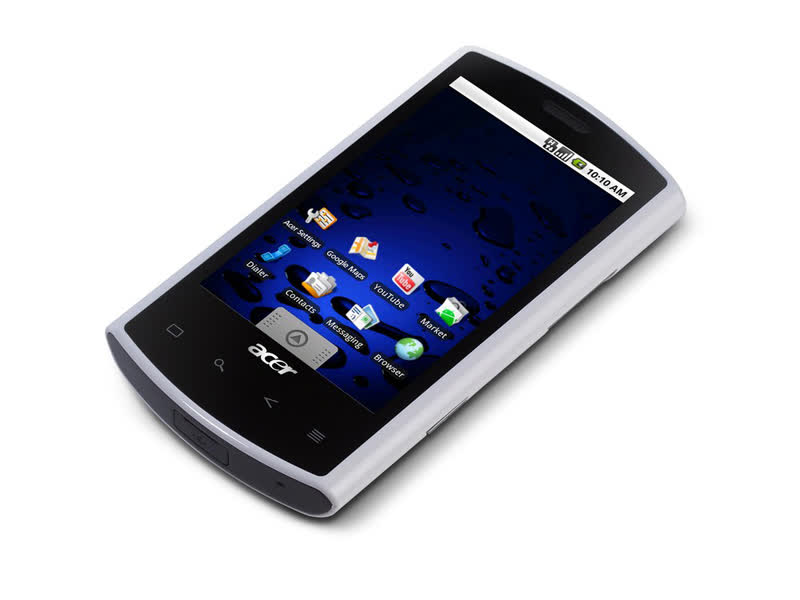
If you bought the Acer Tempo X960 in 2009, you were making a specific choice. You valued screen sharpness above all else. You needed Exchange email and Office document editing. You were willing to tolerate a thick, plastic build and a resistive touchscreen that required a fingernail or a stylus. Who should have bought it? Corporate users who refused to switch to the iPhone. People who read long PDFs and wanted to see every line of an Excel sheet. Travelers who needed GPS without draining a non-removable battery. Who should have skipped it? Anyone who wanted apps. The Windows Mobile Marketplace was barren. Anyone who took photos. The camera was bad. Anyone who wanted a slim phone. The X960 was a brick. In 2025, the X960 is a curiosity. A collector might buy one for 20 dollars on eBay. But the lessons apply today. If you are a buyer looking at a business-focused device, ask if the software ecosystem is healthy. The X960 had great hardware for its time, but the software was a dead end. Acer learned this the hard way. They pivoted to Android in 2010 with the Liquid A1. That device also failed. The lesson for modern buyers is simple: specs do not matter if the platform is dying. Check for app support, update frequency, and community engagement. The X960 had none of those. It was a ghost at launch. It is a ghost now.
The Road Ahead
Acer released a firmware update for the X960 in late 2009. It fixed some Bluetooth issues and improved GPS lock times. That was it. No Windows Mobile 6.5 upgrade. No major patches. The device was abandoned. Competitors like HTC moved to Android and Windows Phone. Nokia doubled down on Symbian. Acer tried again with the Liquid series, but the damage was done. The brand never became a serious player in smartphones. The long-term outlook for the X960 is as a footnote. It sits in the drawer of mobile history next to the Palm Treo Pro and the Sony Ericsson Xperia X1. What should readers watch for? The next time a PC company tries to enter the phone business. It happens every few years. The Razer Phone. The ASUS ROG Phone. The Xiaomi phones. The pattern repeats. Good hardware. Mediocre software support. The X960 is a warning. Hardware alone does not win. The ecosystem does. Acer never built one. They sold a box. That is why the X960 is forgotten.
Conclusion
The Acer Tempo X960 sits on a shelf in a cluttered electronics museum. The plastic has yellowed. The battery is swollen. The screen still works, glowing with that sharp 480 x 800 resolution that once seemed like a miracle. Pick it up. Feel the weight. That thickness was a promise of durability, of a device built to last. It lasted, but nobody cared. The X960 was a perfectly adequate device for a world that had already moved on. It could do everything a modern smartphone could do, just slower and with more taps. It was a machine built for a job that no longer existed. That is the quiet tragedy of the X960. It was not bad. It was too late. And in technology, being too late is the same as being wrong.