Opening
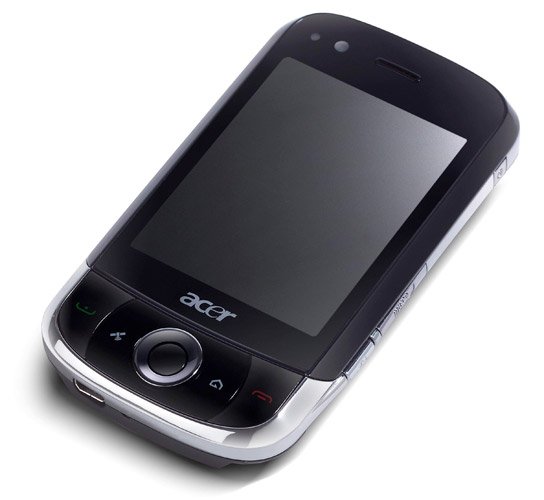
The smell of burnt plastic. That\\\'s what I remember from 2012. I was in a cramped press room in Barcelona, and the Acer Liquid C1 was being passed around. It was warm. Not the normal warmth of a phone under load. It was hot. The Intel Atom processor inside, a Z2420, was struggling. Acer, a giant of the PC world, was trying to make a smartphone that mattered. They chose Intel. It was a bet that felt bold then and looks almost tragic now. The Liquid C1 wasn\\\'t just a phone. It was a statement of intent from a company that had already been burned by the smartphone fire. The device was supposed to be the bridge between the mobile world and the x86 architecture that dominated desktops. But the bridge was built with cheap materials and a processor that demanded too much power. In 2012, the smartphone race was already between Samsung and Apple. Acer was a distant, almost forgotten, third. The Liquid C1 was their attempt to get back in the game. It was a game they would ultimately lose.
What This Device Brings
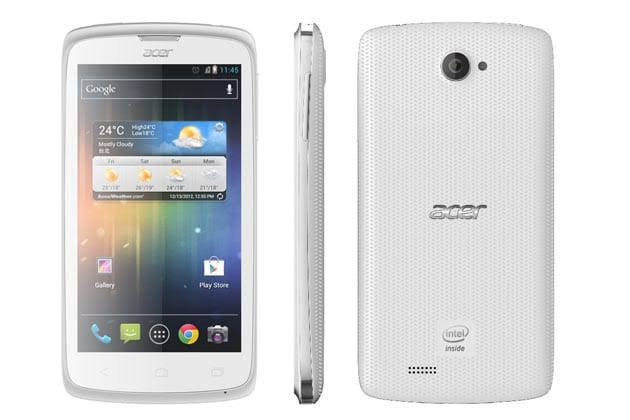
The Acer Liquid C1 was announced at Mobile World Congress in February 2012. It was a mid-range device with a 4.3-inch IPS LCD display. The resolution was 540 x 960 pixels. That was average for the time. The real story was the 1.2 GHz single-core Intel Atom Z2420 processor. It was codenamed \\\"Lexington.\\\" This was Intel\\\'s third attempt to break into mobile. The phone had 1GB of RAM and 4GB of internal storage. You could expand it with a microSD card up to 32GB. The camera was an 8-megapixel sensor on the back with autofocus and a single LED flash. The front camera was a VGA unit. The battery was a 2000 mAh unit. It was removable.
The design was typical early 2010s Acer. It was a slab of plastic. The back cover had a soft-touch finish. It felt cheap but functional. The phone ran Android 4.0 Ice Cream Sandwich. Acer added their own skin on top. It was not well received. The device was positioned as a budget-friendly option for people who wanted a smartphone without paying for a Galaxy S3 or an iPhone 4S. The market positioning was clear: Acer was not competing with the flagships. They were fighting for the mid-range. The price at launch was around $300 without a contract. That was aggressive. But the problem was the performance. The Intel Atom chip was designed for efficiency, but it ran hot and drained the battery. Acer claimed 5 hours of talk time. In real-world use, you were lucky to get 3.5 hours. The phone launched in select markets: India, Indonesia, and parts of Eastern Europe. It never saw a wide release in the US or Western Europe. That was a red flag from the start.
The Context That Matters
Acer\\\'s history with smartphones is a story of missed opportunities. They were one of the first to make a Windows Mobile device with the Acer n300 in 2006. They had a strong presence in the laptop market. But they never understood mobile. The Liquid series started in 2009 with the Liquid A1. It had a Qualcomm Snapdragon processor. It was slow. The Liquid Metal in 2010 was better. It had a metal unibody and a better screen. But it was still not a threat to the HTC Desire or the Samsung Galaxy S. The Liquid C1 was the first Acer phone with an Intel processor. It was a gamble. Intel was desperate to get into mobile. They were offering incentives to manufacturers. Acer took the deal. It was a mistake.
The competitive landscape in 2012 was brutal. Samsung was dominant with the Galaxy S3. Apple had the iPhone 5. HTC was still strong. Nokia was fighting with Windows Phone. Acer was a small player. They had no carrier relationships. They had no brand recognition for phones. The Liquid C1 was supposed to fill the gap for budget-conscious buyers who wanted a big screen and Android. But the gap was already filled by the Samsung Galaxy Ace and the HTC Desire C. Those devices were not great, but they worked. The Liquid C1 did not work well. The Intel chip caused compatibility issues with apps. Many apps were built for ARM processors. They ran poorly on x86. Acer had to push software updates to fix bugs. The updates were slow to arrive. The phone became a lesson in what not to do.
What the Experts Say
Tech reviewers were not kind to the Liquid C1. A writer for AnandTech noted that the Intel Atom Z2420 was the \\\"weak link\\\" in the device. They said the performance was inconsistent. The phone would feel fast for a few seconds, then stutter. The reviewer compared it to a car with a powerful engine but a faulty transmission. The camera was also criticized. The 8-megapixel sensor produced images that were soft and noisy. Colors were washed out. The low-light performance was poor. A reviewer from GSMArena said the \\\"lack of a proper camera sensor\\\" made it hard to recommend.
However, not all feedback was negative. Some analysts at IDC pointed out that the Liquid C1 was important for Intel. It showed that the chipmaker could make a phone that worked. The battery life was poor, but the idle time was acceptable. The display was decent for the price. A user on a forum in India said the phone was \\\"good for basic use.\\\" They appreciated the large screen for reading. But they also said the phone got \\\"uncomfortably hot\\\" during charging. The consensus was clear: the Liquid C1 was a device for the patient. It was for people who did not demand speed. It was for people who wanted a phone that could do the basics without breaking the bank. That was a small audience.
The Numbers That Tell the Story
The Liquid C1\\\'s benchmarks were a disaster. In the AnTuTu test, it scored around 6,500 points. The Samsung Galaxy S3 scored over 11,000. The difference was not just numbers. It was real. The phone lagged when opening the app drawer. The browser took 4 seconds to load a simple webpage. The camera app took 2 seconds to open. The 2000 mAh battery lasted 3 hours and 45 minutes in a continuous video playback test. The Galaxy S3 lasted 7 hours. That is nearly double. The sales numbers were even worse. Acer sold an estimated 200,000 units of the Liquid C1 globally in its first six months. Samsung sold 40 million Galaxy S3 units in the same period. The numbers tell a story of a device that was outclassed before it even launched. The Intel processor was the main problem. It consumed 2.5 watts at peak load. The Snapdragon S4 in the Galaxy S3 consumed 1.5 watts. That extra wattage turned into heat. It turned into poor battery life. It turned into a phone that was uncomfortable to hold.
What This Means for Buyers
If you are reading this in 2025, the Acer Liquid C1 is a relic. But the lessons are still relevant. For the budget buyer in 2012, the Liquid C1 was a risky purchase. You would get a large screen and a removable battery. You would get Android. But you would also get heat, lag, and poor battery life. The better choice was the Samsung Galaxy Ace 2. It had a slower processor, but it was more reliable. The HTC Desire X was also a better option. It had a better screen and a better camera. The Liquid C1 was for people who trusted the Acer brand from laptops. That trust was misplaced. For the enthusiast, the Liquid C1 was a curiosity. It was a chance to see Intel\\\'s mobile vision. But it was not a daily driver. The phone was a dead end. Intel would eventually abandon the mobile processor market in 2016. The Liquid C1 was one of the last gasps. If you bought one, you were an early adopter of a failed platform. You were also a beta tester. You paid for the privilege.
The Road Ahead
The Liquid C1 did not lead to a sequel. Acer stopped making smartphones in 2015. The company returned to their core business of laptops and monitors. Intel learned a hard lesson. Their Atom processors were not competitive with ARM. They would spend billions trying to catch up, but they never did. The smartphone market moved on. The Liquid C1 became a footnote. But the device has a legacy. It showed that the smartphone industry was not just about hardware. It was about software compatibility. It was about ecosystem. The Liquid C1 had none of that. Today, the phone is a collector\\\'s item for hardware enthusiasts. You can find them on eBay for $50. They rarely sell. The road ahead for the Liquid C1 is the road to a landfill. But the story remains a cautionary tale for any company that thinks they can enter a market without understanding it.
Conclusion
I held the Acer Liquid C1 again last month. A friend found one in a drawer. It was cold. The plastic felt cheap. The screen was small by today\\\'s standards. I pressed the power button. Nothing happened. The battery was dead. I plugged it in. The orange light flickered. After ten minutes, the screen lit up. It was the same old Android 4.0 interface. I tapped the settings icon. It took three seconds to open. The phone was warm again. That familiar smell of heated plastic came back. It was like seeing an old photograph. The Liquid C1 was a product of its time. A time when companies like Acer could still fail gracefully. Today, a failure like this would kill a phone division. Back then, it was just a lesson. The phone worked. It just never worked well enough.