The race for bigger batteries is no longer exclusive to smartphones. HMD Global has just unveiled the Nokia 300 Charge, a feature phone that brings an unexpectedly large power cell to the budget segment. With a 3,700mAh battery, this device offers more than double the capacity of typical feature phones, signaling a new era where even basic handsets prioritize endurance and utility.
At first glance, the Nokia 300 Charge looks like any other modern feature phone, but a closer look reveals a dedicated “Out” button on the side. This button is the key to its standout feature: 10W reverse charging. By pressing it, you can turn the phone into a portable power bank, using its USB-C port to top up your earbuds, smartwatch, or even another phone. It’s a clever addition that transforms a simple device into a practical companion for daily emergencies.
Battery Capacity: More Than Just Numbers
While 3,700mAh might seem modest compared to flagship smartphones with 5,000mAh or larger batteries, it’s essential to consider the context. Feature phones are designed for efficiency, not power-hungry apps. Their small screens, basic processors, and lightweight operating systems consume far less energy. As a result, the Nokia 300 Charge can easily deliver several days of usage on a single charge—potentially up to a week or more, depending on your habits.
For comparison, a typical feature phone might pack a 1,500mAh to 2,000mAh battery. The Nokia 300 Charge’s 3,700mAh cell is a significant leap, offering roughly 85% more capacity than the higher end of that range. This means you can leave your charger at home during weekend trips, rely on the phone for GPS navigation, or use it as a reliable backup device without worrying about running out of power.
Why Feature Phones Are Adopting Big Batteries
The trend of large batteries in feature phones is a response to changing consumer needs. Many people are looking for secondary devices that can last for days, especially for travel, outdoor activities, or as a backup for their primary smartphone. Additionally, the rise of IoT devices and wireless earbuds has created a demand for portable charging solutions. The Nokia 300 Charge addresses this by offering reverse charging, making it a versatile tool beyond just making calls.
Moreover, feature phones are increasingly being used in regions where electricity is unreliable. A long-lasting battery is not a luxury but a necessity. HMD has recognized this and is positioning the Nokia 300 Charge as a reliable companion for those who need dependable communication without frequent recharging.
Reverse Charging: A Feature That Stands Out
The dedicated “Out” button is more than just a gimmick. It’s a user-friendly approach to reverse charging. Instead of navigating through menus or settings, you simply press the button, and the phone starts outputting power. This is particularly useful in urgent situations when you need to charge a friend’s phone or your wireless earbuds quickly.
The reverse charging output is rated at 10W, which is enough to provide a meaningful boost to most devices. For example, you can charge a typical smartphone from 0% to about 20% in 30 minutes, which could be a lifesaver during an emergency. While it’s not as fast as dedicated power banks, the convenience of having this capability built into your phone is undeniable.
How the Out Button Works
When you press the “Out” button, the phone activates its power delivery mode. The USB-C port switches from charging the phone to supplying power to connected devices. The phone will display a notification indicating that reverse charging is active. You can also monitor the battery level to ensure you don’t drain your phone completely. Once you disconnect the device or press the button again, the phone returns to normal charging mode.
This design is intuitive and eliminates the need for complex settings. It’s a perfect example of how HMD is listening to user feedback and simplifying technology for everyone, regardless of their technical expertise.
Design and Build: Classic Nokia Durability
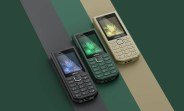
The Nokia 300 Charge retains the classic Nokia design language that fans have come to love. It features a sturdy polycarbonate body, a comfortable keypad with tactile buttons, and a compact form factor that fits easily in your pocket. The phone is available in a few vibrant colors, allowing you to express your style while enjoying the reliability that Nokia is known for.
The display is a 2.8-inch QVGA screen, which is adequate for viewing texts, contacts, and basic apps. It’s not a touchscreen, but that’s expected for a feature phone. The screen is readable in direct sunlight, and the interface is straightforward, making it easy for users of all ages to navigate.
USB-C: A Modern Touch
One of the most welcome additions is the USB-C port. This is a significant upgrade from the older micro-USB ports found on many feature phones. USB-C offers faster charging, reversible connectors, and better durability. It also means you can use the same cable for your smartphone, tablet, and the Nokia 300 Charge, reducing cable clutter. The 10W charging speed is on par with many budget smartphones, ensuring that the phone itself can be recharged quickly when needed.
Performance and Software: Simple and Efficient
The Nokia 300 Charge runs on a basic operating system, likely a custom version of Series 30+ or a similar lightweight platform. This ensures smooth performance for core functions like calling, texting, and using basic apps. The phone supports 4G connectivity, allowing for fast internet browsing and clear voice calls. It also includes a built-in FM radio, MP3 player, and a 2-megapixel rear camera for capturing moments on the go.
While you won’t find app stores or social media on this device, that’s part of its charm. It’s designed for those who want to disconnect from the digital noise and focus on essential communication. However, it does support a few practical tools like a calculator, calendar, and alarm clock, making it a reliable everyday companion.
Battery Life Expectations
With a 3,700mAh battery, the Nokia 300 Charge can easily provide up to 30 days of standby time and around 20 hours of talk time on a single charge. In real-world usage, where you might check messages, listen to music, and use the flashlight occasionally, you can expect to go a week or more without needing to plug in. This is a game-changer for those who are tired of charging their phone every day.
If you use the reverse charging feature frequently, the battery life will naturally be shorter. For instance, charging a smartphone from 10% to 50% will consume a significant portion of the Nokia 300 Charge’s battery. But even then, you’ll still have enough power for basic phone functions for a few more days.
Comparison with Other Feature Phones
When compared to other feature phones in the market, the Nokia 300 Charge stands out due to its battery capacity and reverse charging capability. Most feature phones, like the Nokia 105 or 110, have batteries around 800mAh to 1,500mAh, which last a few days. The 300 Charge doubles or triples that endurance, making it a superior choice for heavy users or those who want a reliable backup.
Additionally, the inclusion of a USB-C port is a forward-thinking move. Many competitors still use micro-USB, which is becoming outdated. The 10W fast charging is also a plus, as it reduces the time needed to recharge the phone itself.
Who Is This Phone For?
The Nokia 300 Charge is ideal for several groups:
- Seniors who need a simple, long-lasting phone for calls and texts.
- Travelers who want a reliable secondary device that can also charge their gadgets.
- Outdoor enthusiasts who need a durable phone with excellent battery life.
- Digital detoxers who want to reduce screen time without sacrificing connectivity.
- Emergency preparedness – having a phone that can last for weeks is a smart backup.
Its rugged build and long battery life make it a practical choice for anyone who values reliability over flashy features.
Pricing and Availability
HMD has not yet announced the official pricing, but based on similar feature phones, the Nokia 300 Charge is expected to be priced competitively, likely in the $50-$70 range. This makes it an affordable option for those who want a dependable phone without breaking the bank. It will be available in select markets initially, with a wider rollout expected in the coming months.
Given the growing demand for feature phones with modern features, the Nokia 300 Charge is poised to be a hit. Its combination of a massive battery, reverse charging, and USB-C makes it a standout in the segment.
Final Thoughts
The Nokia 300 Charge is more than just a feature phone with a big battery. It’s a practical tool that adapts to modern needs, offering a power bank in your pocket. The dedicated “Out” button simplifies reverse charging, making it accessible to everyone. With a design that stays true to Nokia’s heritage and a battery that outlasts most smartphones, this device is a compelling choice for anyone looking for a reliable, long-lasting phone.
Whether you’re a frequent traveler, a senior looking for an easy-to-use phone, or someone who simply wants to reduce their dependence on daily charging, the Nokia 300 Charge delivers. It’s a reminder that sometimes, the most essential features are the ones that keep you connected without worrying about the next charge.