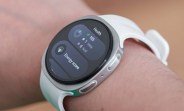
Samsung has been steadily building out its sleep health toolkit, and the latest development marks a significant step forward. The company’s sleep apnea detection feature, which first gained approval in South Korea back in 2023 and received De Novo authorization from the U.S. Food and Drug Administration in early 2024, is now getting a meaningful upgrade. This enhanced version, which secured FDA approval in July, has also been greenlit by Korea’s Ministry of Food and Drug Safety (MFDS). With the feature now available in 84 countries, Samsung is positioning itself at the forefront of consumer sleep health technology.
From Simple Detection to Detailed Insights
The original sleep apnea feature was a breakthrough in itself, offering users a way to identify signs of moderate to severe sleep apnea without needing a clinical sleep study. But the new version goes several steps further. Rather than simply flagging potential breathing interruptions, it employs an advanced AI algorithm to actually count the number of breathing disruptions per hour. This metric, known as the apnea-hypopnea index (AHI), is a key clinical measure used by sleep specialists to gauge the severity of sleep apnea.
By providing this level of detail, Samsung’s upgraded feature transforms the Galaxy Watch and Galaxy Ring from passive sleep trackers into more sophisticated health monitoring tools. Users can now see not just whether they might have sleep apnea, but also how frequently their breathing is disrupted during the night. This information can be invaluable for discussions with healthcare providers and for tracking the effectiveness of any treatments.
What the AI Algorithm Actually Does
At the heart of the upgrade is an AI-driven system that analyzes biometric signals collected during sleep. The Galaxy Watch series and the Galaxy Ring are equipped with sensors that monitor blood oxygen levels, heart rate, and movement, among other metrics. The algorithm processes these signals to identify patterns consistent with sleep apnea—specifically, pauses in breathing or reductions in airflow that lead to oxygen desaturation and brief awakenings.
The AI doesn’t just detect these events; it quantifies them. By calculating the number of disruptions per hour, it provides an estimate of the AHI. This is a more granular approach than the previous version, which offered a binary yes/no indication of possible moderate to severe sleep apnea. The new feature thus delivers a more nuanced picture of sleep quality and respiratory health.
Regulatory Milestones and Global Reach
The journey of Samsung’s sleep apnea feature is a case study in how consumer technology can intersect with medical regulation. The initial approval from Korea’s MFDS in 2023 was followed by the FDA’s De Novo authorization in early 2024—a pathway reserved for novel, low-to-moderate risk devices that have no legally marketed predicate. This authorization allowed Samsung to market the feature in the United States, and since then, the company has expanded its availability to 84 countries.
The upgraded version, which received FDA approval in July, has now also been approved by the MFDS. This dual approval is crucial because it ensures that the feature meets stringent safety and efficacy standards in two major markets. For users, it means the technology has been rigorously evaluated and can be trusted to provide reliable information.
Why Korea’s MFDS Approval Matters
South Korea is not only Samsung’s home market but also a key testing ground for its health innovations. The MFDS is known for its thorough review process, and its approval of the enhanced feature underscores the credibility of the technology. Moreover, the approval in Korea often serves as a signal for other markets, potentially accelerating regulatory clearances elsewhere.
The fact that both the FDA and MFDS have approved the upgraded feature within a short span speaks to the robustness of Samsung’s clinical evidence. The company has likely conducted validation studies comparing the AI-derived AHI to gold-standard polysomnography results, demonstrating that the wearable technology can accurately estimate breathing disruptions.
How the Feature Works on Galaxy Watch and Galaxy Ring
To use the sleep apnea detection feature, Galaxy Watch and Galaxy Ring users simply need to wear their device while sleeping for at least two nights within a ten-day period. The device monitors for signs of sleep apnea during these sessions. With the upgraded version, users will receive a report that includes the estimated number of breathing disruptions per hour, along with an assessment of severity.
The Galaxy Ring, in particular, is well-suited for sleep tracking due to its comfortable, unobtrusive design. Many users find rings more comfortable than watches for overnight wear, which can lead to better compliance and more consistent data collection. The Galaxy Watch, on the other hand, offers additional features like on-screen notifications and integration with other health apps.
Practical Implications for Users
For individuals who suspect they might have sleep apnea, the feature offers a convenient first step. Sleep apnea is often underdiagnosed, and many people are unaware they have it. By providing an easy-to-use, at-home screening tool, Samsung’s technology could help more people seek professional evaluation and treatment.
For those already diagnosed with sleep apnea, the feature can help track the effectiveness of treatments such as CPAP therapy. By monitoring breathing disruptions over time, users can see whether their treatment is working and share this data with their healthcare provider.
It’s important to note that the feature is not a diagnostic tool. It is intended for informational purposes and should not replace a clinical sleep study. Users who receive an indication of possible sleep apnea should consult a healthcare professional for a proper diagnosis.
The Broader Context of Wearable Health Monitoring
Samsung’s move is part of a larger trend of consumer electronics companies venturing into medical-grade health monitoring. Apple, Google, and others have also been developing features for their wearables, such as ECG and blood oxygen monitoring. Sleep apnea detection is particularly significant because it addresses a widespread and often undiagnosed condition.
According to the World Health Organization, an estimated 100 million people worldwide have moderate to severe sleep apnea, yet a large majority remain undiagnosed. Wearable technology has the potential to bridge this gap by making screening more accessible and affordable.
Samsung’s approach—securing regulatory approvals and expanding to dozens of countries—demonstrates a commitment to building trust with both consumers and regulators. By working within existing medical frameworks, the company is helping to legitimize wearable health technology as a complement to traditional healthcare.
Competitive Landscape
While Samsung is not the only player in this space, it has moved quickly to secure approvals and roll out features. The company’s ability to integrate sleep apnea detection into both its smartwatches and its new Galaxy Ring gives it a broad reach across different form factors. This versatility could be a competitive advantage, as users can choose the device that best fits their lifestyle.
Moreover, Samsung’s global footprint—with the feature available in 84 countries—means it has a head start in many markets. As other companies race to catch up, Samsung is already refining its algorithms and expanding its capabilities.
What’s Next for Samsung’s Sleep Health Features?
The upgraded sleep apnea detection is just one part of Samsung’s broader sleep health strategy. The company has been investing in sleep coaching, advanced sleep tracking, and integration with other health metrics. With the Galaxy Ring now in the market, Samsung has a dedicated sleep-tracking device that can provide continuous, comfortable monitoring.
Looking ahead, we can expect further refinements to the AI algorithms and possibly new features such as detection of other sleep disorders or more personalized insights. The combination of hardware sensors and AI-driven analytics is likely to yield even more sophisticated health monitoring in the future.
Potential Impact on Public Health
If wearable sleep apnea detection becomes widespread, it could have a meaningful impact on public health. Early detection and treatment of sleep apnea can reduce the risk of cardiovascular disease, stroke, and other complications. By making screening more accessible, Samsung’s technology could help millions of people get the care they need.
However, challenges remain, including ensuring that users understand the limitations of the feature and seek proper medical advice. Samsung has been careful to position the feature as a screening tool rather than a diagnostic one, which is a responsible approach.
Conclusion
Samsung’s upgraded sleep apnea detection feature represents a significant advancement in wearable health technology. By providing detailed, AI-driven insights into breathing disruptions, it empowers users to take a more active role in managing their sleep health. With approvals from both the FDA and Korea’s MFDS, and availability in 84 countries, Samsung is setting a new standard for what consumers can expect from their smartwatches and rings. As the technology continues to evolve, it will be exciting to see how it shapes the future of preventive healthcare.