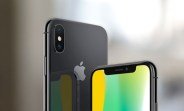
Apple has officially added the iPhone X to its list of obsolete products, marking the end of an era for the iconic device that celebrated the company’s 10th anniversary. The move, which came nearly nine years after the iPhone X first went on sale, also includes the 2018 15-inch MacBook Pro. This classification means that these devices are no longer eligible for hardware service, and repair centers will not be able to obtain replacement parts for them.
For Apple, adding a product to the obsolete list typically happens more than seven years after the company stops selling the device. However, there is a nuance: Mac products may still qualify for battery service for up to ten years from the date of last sale. This provides a small window of support for some older MacBook Pro owners, but for the iPhone X, the curtain has fully closed.
What Does ‘Obsolete’ Mean for iPhone X Owners?
When a product is classified as obsolete, it means that Apple no longer provides any hardware repair services for it. This includes both Apple Stores and Apple Authorized Service Providers. The only exception is that some Mac models can receive battery replacements for a longer period, but this does not apply to the iPhone X.
For iPhone X users, this is a significant development. If your device suffers a hardware failure—such as a cracked screen, battery degradation, or camera malfunction—you will no longer be able to get it fixed through official Apple channels. This forces owners to consider third-party repair options, which may vary in quality and reliability, or to upgrade to a newer iPhone model.
Why Did Apple Choose This Moment?
The timing of this classification is not arbitrary. Apple’s policy is to review its product lineup regularly and move items to the obsolete list once they reach a certain age. The iPhone X, launched in November 2017, has been out of production for several years. With the release of newer models like the iPhone 14 and 15 series, the iPhone X has become a distant memory for many users. However, for those who still rely on it, this news is a reminder that even the most beloved devices eventually reach the end of their support lifecycle.
The iPhone X: A Legacy of Innovation
The iPhone X was a groundbreaking device when it debuted. It introduced the world to Face ID, the notch design, and an edge-to-edge OLED display. It was the first iPhone to ditch the home button, paving the way for the modern iPhone design language. Its A11 Bionic chip was a powerhouse, and the device set new standards for smartphone photography with its dual 12MP rear cameras and optical image stabilization.
For many, the iPhone X was a status symbol and a testament to Apple’s ability to innovate. Its removal from the support list is a poignant moment, but it also highlights the rapid pace of technological advancement. As Apple continues to push forward with new features and capabilities, older devices inevitably fade into the background.
What About the 2018 MacBook Pro?
The 2018 15-inch MacBook Pro is also now on the obsolete list. This model was known for its powerful Intel processors and the controversial butterfly keyboard. While it was a favorite among professionals, the keyboard issues led to a repair program that has since expired. Now, with its obsolete status, any hardware issues will require third-party intervention or a new laptop.
For MacBook Pro users, the battery service extension is a silver lining. Apple’s policy allows for battery replacements for up to 10 years from the last sale date, which means some 2018 models might still be eligible for a new battery. This is particularly useful for those who want to extend the life of their device without investing in a brand-new machine.
How to Check if Your Device Is Obsolete
If you’re unsure whether your Apple product is considered obsolete, you can check Apple’s official website. The company maintains a list of vintage and obsolete products, which is updated regularly. You can also contact Apple Support directly to inquire about your specific model.
It’s important to note that “vintage” and “obsolete” are two different categories. Vintage products are those that Apple stopped selling between 5 and 7 years ago, and they may still receive some services, depending on parts availability. Obsolete products, on the other hand, are those that have been out of production for more than 7 years and are generally not serviced at all.
What Are Your Options If Your Device Is Obsolete?
If your iPhone X or 2018 MacBook Pro is now obsolete, you have a few paths forward:
- Third-party repair shops: Independent repair technicians often have access to aftermarket parts and can fix issues that Apple no longer handles. However, be cautious about quality and warranty.
- DIY repairs: For the tech-savvy, you can purchase replacement parts online and attempt to fix the device yourself. This is risky and may void any remaining warranty, but it can be cost-effective.
- Trade-in or upgrade: Apple’s trade-in program may still offer some value for your obsolete device, which you can put toward a new iPhone or MacBook. This is often the most practical solution for those who rely on their devices for daily tasks.
- Recycle: If your device is beyond repair, consider recycling it through Apple’s free recycling program. This ensures that the materials are disposed of responsibly.
The Impact on the Used Market
The obsolete status of the iPhone X and 2018 MacBook Pro will also affect the secondary market. Resale values may drop as buyers become aware that official support is no longer available. However, some collectors and enthusiasts may still seek out these devices for their historical significance.
For those looking to buy a used iPhone X or MacBook Pro, it’s crucial to factor in the lack of official support. You may be able to find a good deal, but you’ll need to be prepared for potential repair challenges down the line. It’s advisable to test the device thoroughly before purchasing and to consider buying from a reputable seller who offers some form of warranty.
What Does This Mean for Future Apple Products?
The addition of the iPhone X to the obsolete list is a reminder that all technology has a finite lifespan. As Apple continues to innovate with new chips, displays, and features, older devices will inevitably be left behind. This is a natural part of the tech industry, but it also raises questions about sustainability and the right to repair.
Apple has faced criticism in the past for its restrictive repair policies, but the company has also made strides in recent years to offer more self-service repair options. For obsolete products, however, these options are limited. This highlights the importance of planning for the long-term use of your devices and considering the environmental impact of constant upgrades.
Final Thoughts on the iPhone X’s Obsolete Status
The iPhone X’s journey from revolutionary flagship to obsolete product is a testament to how quickly technology evolves. While it may no longer receive official support, its legacy lives on in every modern iPhone that features Face ID and a notch. For owners, this is a call to action: either find alternative repair solutions or embrace the upgrade cycle.
As we look to the future, it’s clear that Apple will continue to push boundaries, and with each new release, older devices will take a step back. But for now, the iPhone X and 2018 MacBook Pro have officially entered the history books, and their time in the spotlight has come to an end.