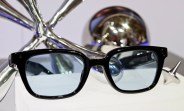
Samsung first gave the world a look at its Android XR glasses during its Galaxy Unpacked event in July, and since then, anticipation has been building. A recent report suggested the device would hit shelves in mid-December, but now we have a concrete date for when you can secure your pair ahead of time. Interestingly, the information didn’t come from Samsung or Google—it came from Warby Parker, the eyewear brand that designed some of the frames for the upcoming smart glasses.
During Warby Parker’s third-quarter earnings call today, Dave Gilboa, the company’s Co-Founder and Co-CEO, announced that pre-orders for its first Intelligent Eyewear collection will begin on November 12. He also mentioned that the full details of the collection will be unveiled on that same day. This marks a significant step for both Warby Parker and the broader smart glasses market, as it brings Android XR technology to a mainstream fashion-forward audience.
Warby Parker’s Role in the Android XR Launch
Warby Parker has long been known for its stylish and affordable eyewear, and its collaboration with Samsung and Google on Android XR glasses represents a major leap into wearable technology. The company’s Intelligent Eyewear collection will be the first to feature Android XR, Google’s new operating system designed specifically for extended reality devices. By partnering with Warby Parker, Samsung is ensuring that the glasses not only pack cutting-edge tech but also look good enough to wear every day.
What We Know About the Intelligent Eyewear Collection
While Warby Parker hasn’t revealed the full specs yet, the teaser from the earnings call suggests that the collection will include multiple frame styles, likely catering to different tastes and face shapes. The pre-order date of November 12 aligns with the holiday shopping season, positioning the glasses as a hot-ticket item for early adopters. The company has hinted that more details will be shared during the unveiling event, so expect to see the designs, features, and pricing then.
Why Warby Parker’s Announcement Matters
Warby Parker’s involvement signals a shift in how smart glasses are being marketed. Instead of being niche developer kits or bulky industrial devices, these Android XR glasses are being positioned as consumer-friendly eyewear. Warby Parker’s retail expertise and direct-to-consumer model could help make smart glasses more accessible to the average person. The pre-order announcement also gives us a timeline that Samsung itself has been tight-lipped about, adding a layer of credibility to the mid-December launch rumors.
What to Expect from Samsung’s Android XR Glasses
Samsung’s Android XR glasses are expected to be a direct competitor to Apple’s Vision Pro and Meta’s Ray-Ban smart glasses, but with a different approach. Unlike the bulky Vision Pro headset, Samsung’s glasses are designed to be lightweight and wearable throughout the day. They will run on Android XR, which is a collaborative effort between Samsung, Google, and Qualcomm. This means the glasses will likely integrate seamlessly with Android smartphones and offer a range of AR and VR experiences.
Key Features and Speculations
Based on early demos and industry leaks, here’s what we might see:
- Display: Micro-OLED or waveguide displays that overlay digital information onto the real world.
- Audio: Built-in speakers or bone conduction technology for private listening.
- Sensors: Cameras and depth sensors for hand tracking, environment mapping, and possibly eye tracking.
- Connectivity: Wi-Fi 6E and Bluetooth 5.3, with possible 5G support in certain models.
- Battery: All-day battery life is a challenge, but Samsung may offer a external battery pack or fast charging.
- Design: Lightweight frames with interchangeable lenses, designed in collaboration with Warby Parker.
Of course, these are educated guesses. Samsung has been relatively secretive about the exact specifications, but the Galaxy Unpacked demo showcased a sleek device that looked more like regular glasses than a tech gadget. The partnership with Warby Parker suggests that style and comfort are top priorities.
Software and Ecosystem
Android XR is built on top of Android, so users can expect access to Google’s suite of apps and services, including Google Maps, YouTube, and Google Assistant. The platform is also designed to support immersive experiences like virtual screens for productivity, AR games, and even fitness tracking. Samsung’s ecosystem of Galaxy devices will likely play a big role, with seamless integration between the glasses and Galaxy smartphones, tablets, and watches.
The Road to Pre-Order: What Led to This Moment
Samsung’s journey into smart glasses has been years in the making. The company has filed numerous patents related to AR glasses, and its partnership with Google on Android XR was announced in early 2023. The Galaxy Unpacked event in July 2024 served as the official unveiling, where Samsung showed off a prototype and promised more details later. Since then, rumors have swirled about launch dates, with many pointing to a late 2024 release.
The mid-December sale date reported earlier now seems more plausible, with pre-orders starting on November 12. This timeline gives Samsung and Warby Parker about a month to build hype and ensure supply meets demand. It also positions the glasses as a potential holiday gift, though the price point will be crucial. For context, Meta’s Ray-Ban smart glasses start at $299, while Apple’s Vision Pro is $3,499. Samsung’s offering will likely fall somewhere in between, but Warby Parker’s involvement might help keep costs down.
Competitive Landscape
The smart glasses market is heating up. Meta has found success with its Ray-Ban collaboration, and Apple’s Vision Pro, despite its high price, has set a benchmark for spatial computing. Google has also been working on its own AR glasses, but the Android XR platform is its latest attempt to create a viable ecosystem. Samsung’s entry with Warby Parker could disrupt the market by offering a more fashionable and affordable option. Other players like Xreal, Rokid, and Vuzix are also in the mix, but they lack the brand recognition and retail presence of a Samsung-Warby Parker combination.
What This Means for Consumers
For consumers, the pre-order date is a clear signal that the Android XR glasses are almost here. If you’re interested in being an early adopter, mark November 12 on your calendar. Warby Parker will likely open pre-orders on its website and in stores, and Samsung may also offer pre-orders through its own channels. Expect to see bundles, trade-in offers, and possibly carrier deals, especially if the glasses have 5G connectivity.
Should You Pre-Order?
Pre-ordering a first-generation product always comes with risks. The software might be buggy, the battery life might not meet expectations, and the app ecosystem might be limited at launch. However, early adopters often get the most attention from developers and can influence the product’s direction. If you’re a tech enthusiast or a developer, pre-ordering could be worthwhile. For casual users, it might be better to wait for reviews and a second-generation model. That said, Warby Parker’s involvement suggests a polished experience, and Samsung’s track record with Galaxy devices is strong.
Pricing and Availability
Pricing remains a mystery. Warby Parker’s glasses typically range from $95 to $295, but adding AR tech will increase the cost. Industry analysts speculate a price between $500 and $800, which would undercut Apple’s Vision Pro but still be a significant investment. Samsung might offer financing options or subscription plans. Availability will likely be limited initially, with a broader rollout in early 2025. The mid-December sale date suggests a soft launch, with wider availability in the new year.
The Bigger Picture: Android XR and the Future of Wearables
Samsung’s Android XR glasses are more than just a product launch; they represent a step toward a future where smart glasses are as common as smartphones. Google’s Android XR platform aims to unify the fragmented AR/VR market, and Samsung is its first major hardware partner. If successful, this could lead to a wave of Android XR devices from other manufacturers, creating a robust ecosystem. Warby Parker’s involvement also highlights how fashion and tech are converging, making wearables more acceptable in everyday life.
Challenges Ahead
Despite the excitement, there are hurdles. Battery life, social acceptance, and privacy concerns are just a few. Smart glasses have historically struggled to gain mainstream traction, and Samsung will need to address these issues head-on. The company has emphasized privacy features like LED indicators for recording, but public perception will be key. Additionally, the success of Android XR depends on developer support. Google and Samsung are working to attract developers, but it will take time to build a compelling library of apps.
What’s Next for Samsung and Warby Parker
After the pre-order launch on November 12, expect a full marketing blitz. Samsung will likely host a dedicated Unpacked event or a virtual launch to showcase the glasses’ capabilities. Warby Parker will promote the collection in its stores and online, possibly with try-on experiences. The companies may also announce partnerships with content providers, like streaming services or game developers, to highlight the glasses’ entertainment value. As we approach the mid-December sale date, more leaks and official details will emerge, so stay tuned.
Final Thoughts
The countdown to Samsung’s Android XR glasses has officially begun. With pre-orders starting on November 12, according to Warby Parker, we’re just weeks away from seeing what these smart glasses can do. Whether you’re a tech fanatic or a fashion-forward consumer, this launch could reshape how we interact with digital content. Keep an eye on Warby Parker’s announcement for the full reveal, and get ready to experience the future of eyewear.