
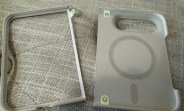
If you’re considering the iPhone Duo as your next—or even first—foldable, you might also be looking at Apple’s official accessories, such as the $79 silicone case or the $129 folio option. However, there’s an important detail you should know about the cheaper case: it comes with a significant caveat. According to early adopters who have already received their iPhone Duo units and purchased the silicone case, the accessory requires the adhesive on the inside to be exposed before installation. This revelation comes from user reports shared on social media, including a post by Parker Ortolani, who noted that the adhesive is present on both sides of the case.
The iPhone Duo represents Apple’s first foray into the foldable smartphone market, and as with any new form factor, accessories play a crucial role in protecting the device. The silicone case, priced at $79, is positioned as a more affordable option compared to the $129 folio case. But the adhesive requirement raises questions about usability, reusability, and long-term maintenance. In this article, we’ll delve into the details of the adhesive issue, explore what it means for users, and provide a comprehensive overview of the iPhone Duo case situation.
The Adhesive Revelation: What Users Are Reporting
The news broke when Parker Ortolani, a known tech commentator, tweeted about the adhesive on both sides of the silicone case. His post included a link to an image that apparently shows the adhesive strips inside the case. The tweet reads: “@DylanMcD8 both sides too” followed by a link. This suggests that the adhesive is not just on one side but on both, which could complicate installation and removal.
Early adopters who have already bought the case have taken to forums and social media to share their experiences. Many express surprise and frustration upon discovering that the case isn’t simply a slip-on accessory. Instead, it requires users to peel off a protective film to expose the adhesive, which then bonds the case to the iPhone Duo. This is unusual for Apple’s silicone cases, which typically rely on a snug fit and don’t require adhesive. The adhesive is likely necessary due to the foldable’s unique design, which may not allow for a traditional snap-on case.
Why Adhesive? The Engineering Behind the Design
Foldable smartphones present unique challenges for accessory designers. The hinge mechanism and flexible display require a case that can accommodate movement without interfering with the fold. A traditional case that clips onto the edges might not stay secure or could put stress on the hinge. Adhesive-backed cases offer a solution by adhering directly to the back panel, ensuring a firm hold without adding bulk around the hinge.
Apple’s decision to use adhesive on both sides of the case suggests that the case may be designed to attach to both the front and back of the device, or perhaps to secure a flap that covers the hinge. However, without official documentation, it’s unclear exactly how the adhesive is meant to be applied. Some users speculate that the adhesive is only needed on the back, while others believe it’s required on both the front and back to keep the case in place when the phone is folded and unfolded.
From an engineering standpoint, adhesive can provide a more secure fit for foldables, but it also introduces potential issues. Adhesive can degrade over time, especially with exposure to heat, moisture, and dust. It can also leave residue when removed, which might be difficult to clean without damaging the device’s finish. Moreover, if the case needs to be removed frequently—for example, to use a dock or to swap cases—the adhesive may lose its effectiveness.
Implications for Users: Installation, Removal, and Reusability
The adhesive requirement has several implications for iPhone Duo owners. First, installation becomes a more deliberate process. Users must carefully align the case before pressing it down, as repositioning may be difficult once the adhesive sticks. This is in contrast to traditional cases that can be easily adjusted. Second, removal may require more effort and could potentially damage the case or leave residue on the phone. Third, reusability is called into question. If the adhesive loses its stickiness after removal, the case may not be reusable, which is a concern for a $79 accessory.
Users who like to switch cases frequently or who prefer to use their phone without a case might find this design inconvenient. Additionally, those who need to remove the case for wireless charging or to use certain accessories may be hesitant to do so if the adhesive is compromised. Apple has not yet provided official guidance on how to remove the case or whether the adhesive can be reapplied, leaving early adopters to experiment at their own risk.
Installation Tips and Best Practices
For those who have already purchased the silicone case or plan to, here are some tips to ensure a smooth installation:
- Clean the phone thoroughly: Before applying the case, clean the back of your iPhone Duo with a microfiber cloth to remove any dust or oil. This will help the adhesive bond better.
- Align carefully: Dry-fit the case without removing the adhesive backing to ensure proper alignment. Pay attention to the cutouts for the camera, ports, and buttons.
- Peel and press: Once aligned, peel the adhesive backing and press the case firmly onto the phone, starting from the center and working your way out to avoid air bubbles.
- Avoid excessive force: Don’t press too hard, as this could damage the adhesive or the phone. A gentle but firm pressure is sufficient.
- Allow time to bond: Give the adhesive some time to set before using the phone extensively. Avoid exposing the phone to heat or moisture during this period.
For removal, it’s advisable to use a plastic card or a thin, non-metallic tool to gently pry the case away from the phone. Avoid using sharp objects that could scratch the device. If residue is left behind, a small amount of isopropyl alcohol on a cloth can help remove it, but be cautious not to let liquid enter the phone’s openings.
Comparing the Silicone Case to the Folio Case
Apple offers two official cases for the iPhone Duo: the $79 silicone case and the $129 folio case. The folio case, which likely includes a front cover that folds over the screen, may not require adhesive or may use a different attachment mechanism. The folio design is common for foldables, as it provides protection for both the front and back while allowing the device to fold freely. However, the folio case is more expensive, which is why some users opt for the silicone case.
The adhesive issue with the silicone case might lead some to reconsider the folio case, despite the higher price. The folio case may offer a more user-friendly experience, with a magnetic closure or a snug fit that doesn’t rely on adhesive. However, without hands-on reviews, it’s difficult to say for sure. It’s worth noting that the folio case might also have its own quirks, so potential buyers should research both options thoroughly.
What Apple Says (or Doesn’t Say)
As of now, Apple has not publicly addressed the adhesive requirement for the silicone case. The product page on Apple’s website may include a disclaimer or installation instructions, but early reports suggest that the adhesive is not prominently mentioned. This lack of transparency could frustrate customers who expect Apple’s usual attention to detail. It’s possible that Apple will release a support document or update the product description in response to user feedback, but for now, buyers should be aware of the adhesive before purchasing.
We reached out to Apple for comment but did not receive a response by the time of publication. We will update this article if we learn more.
Community Reactions and Controversy
The adhesive revelation has sparked a mix of reactions from the tech community. Some users are understanding, noting that foldable phones require innovative solutions and that adhesive is a small price to pay for a secure fit. Others are critical, arguing that a $79 case should be easy to install and remove without adhesive. The debate highlights the challenges of designing accessories for new form factors and the high expectations placed on Apple products.
On social media, some users have joked about needing a tutorial just to put on a case, while others have expressed concern about residue and reusability. The controversy also raises questions about the environmental impact of adhesive-backed cases, which may not be recyclable or may end up in landfills if they can’t be reused. Apple has made strides in sustainability, so this could be a point of contention.
Potential Solutions and Workarounds
For users who are hesitant about the adhesive, there are a few potential workarounds. Some suggest using a thin layer of double-sided tape instead of the built-in adhesive, which would allow for easier removal. Others propose using a skin or a bumper case that doesn’t require adhesive. However, these are unofficial solutions and may void warranties or compromise protection. It’s best to follow Apple’s instructions if you choose to use the official case.
Another option is to wait for third-party manufacturers to release cases for the iPhone Duo. Companies like Spigen, Caseology, and OtterBox often produce cases for new iPhones, and they may offer adhesive-free designs. However, third-party cases might not be available immediately at launch, so early adopters may have limited choices.
Conclusion: Weighing the Pros and Cons
The iPhone Duo’s silicone case is a mixed bag. On one hand, it offers Apple’s signature quality and a precise fit, and the adhesive ensures the case stays put during daily use. On the other hand, the adhesive complicates installation and removal, raises concerns about reusability, and adds a layer of inconvenience that users might not expect. At $79, it’s not a trivial purchase, so buyers should carefully consider whether the adhesive is a dealbreaker.
If you prioritize a secure fit and don’t plan to remove the case often, the silicone case might be fine. But if you like to switch cases or prefer a residue-free experience, you might want to look at the folio case or wait for third-party options. As with any new product, early adopters are essentially beta testers, and their feedback will likely shape future iterations. For now, the adhesive requirement is a noteworthy caveat that every iPhone Duo owner should know about.