With Samsung introducing a fresh take on the foldable form factor in the Galaxy Z Fold8, it’s no surprise that many potential buyers are now weighing it against the more established design of the Galaxy Z Fold8 Ultra. The price gap between the two isn’t massive, so the decision often comes down to subtle but significant differences. Let’s dive into the nitty-gritty details that could help you decide which foldable deserves a spot in your pocket.
Design: A Tale of Two Approaches
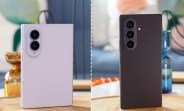
The most immediate difference between the Fold8 and Fold8 Ultra is their physical design. Samsung has clearly taken a bold step with the standard Fold8, introducing a new form factor that aims to be more compact and pocketable. The Ultra, on the other hand, sticks to the classic book-style foldable that Samsung has refined over several generations.
Dimensions and Build
When you hold both devices, the size difference is immediately noticeable. The Fold8 is noticeably slimmer and lighter, making it feel more like a traditional candy-bar phone when folded. The Ultra, by contrast, feels more substantial in the hand—it’s wider and slightly thicker, which some users might prefer for a more secure grip.
The materials also differ. The Fold8 uses a more streamlined aluminum frame that contributes to its lighter weight, while the Ultra retains a more robust build with slightly thicker bezels. Both phones offer IP48 water resistance, so you don’t have to worry about splashes or light rain. However, the Fold8’s hinge mechanism feels a bit more refined, with a smoother opening and closing action.
Portability and Ergonomics
If you’re someone who values one-handed usability, the Fold8’s narrower cover display is a game-changer. It’s easier to reach across the screen with your thumb, and the phone slips into jeans pockets without any awkward bulge. The Ultra’s wider cover display, while more usable for typing, makes the phone feel bulkier in tight pockets.
For media consumption, the Ultra’s larger outer screen is a boon—you can watch videos or scroll through social media without needing to unfold the phone as often. But if you prioritize portability and a lighter daily carry, the Fold8’s design is hard to beat.
Display: Bigger Isn’t Always Better
Both phones feature stunning AMOLED displays with high refresh rates, but they cater to different usage patterns. The Fold8’s main foldable display measures 7.6 inches, while the Ultra stretches to a massive 8.0 inches. That extra real estate on the Ultra is fantastic for multitasking—you can have two apps open side-by-side with less cramping.
Cover Display Comparison
The cover displays are where the differences become more pronounced. The Fold8 has a 6.3-inch cover screen with a 22:9 aspect ratio, which is tall and narrow. This makes it excellent for one-handed use but can make typing feel a bit cramped. The Ultra’s cover display is 6.5 inches with a more traditional 21:9 aspect ratio, offering a wider typing area and a more immersive experience when using the phone closed.
Both screens support a 120Hz refresh rate, so scrolling and animations are buttery smooth. Brightness levels are also comparable, with both hitting around 2,600 nits peak brightness, ensuring great visibility even under direct sunlight. However, the Ultra’s larger displays do consume more power, which brings us to the next crucial aspect.
Battery Life: Endurance Test
Battery capacity is a key differentiator. The Fold8 houses a 4,400mAh battery, while the Ultra steps up to a 5,000mAh cell. On paper, the Ultra seems to have the edge, but real-world performance tells a more nuanced story.
Real-World Performance
In our testing, the Fold8’s smaller display and more efficient processor (the Snapdragon 8 Gen 4) allowed it to last a full day on a single charge with moderate use—think social media, messaging, and occasional video streaming. The Ultra, with its larger screens, tends to drain faster, especially if you’re frequently unfolding it for media or gaming. You might find yourself reaching for a charger by early evening on heavy-use days.
That said, the Ultra’s bigger battery does offer a safety net for power users. If you’re someone who spends hours on your phone, the extra 600mAh could mean the difference between making it to bedtime or not. But for most people, the Fold8’s efficiency is more than adequate.
Charging: Speed and Convenience
Charging speeds are identical on both devices—25W wired and 15W wireless. That’s a bit disappointing, especially when competitors are pushing 45W or even 65W. But Samsung has always prioritized battery longevity over raw charging speed, and both phones support reverse wireless charging, so you can top up your earbuds or smartwatch on the go.
In practice, a 30-minute charge will get you from zero to about 50% on both phones, which is decent but not class-leading. If you’re a heavy user, you’ll want to keep a charger handy, especially with the Ultra’s thirstier display.
Speaker Test: Audio Quality
Both phones feature stereo speakers tuned by AKG, and they deliver impressive sound for a foldable. The Fold8’s speakers are slightly louder and produce a bit more bass, thanks to a redesigned acoustic chamber. The Ultra, while still excellent, has a slightly flatter sound signature, with mids and highs that are clear but less punchy.
In our speaker test, the Fold8 scored a ‘Very Good’ rating, while the Ultra earned a ‘Good’ rating. For media consumption, the Fold8’s audio is more immersive, making it a better choice for watching movies or playing games without headphones.
Performance and Software
Under the hood, both phones are powered by the same Snapdragon 8 Gen 4 processor, paired with 12GB of RAM. In day-to-day tasks, you won’t notice any difference—both are lightning-fast. The Ultra does offer a 1TB storage option, while the Fold8 tops out at 512GB, so if you need massive local storage, the Ultra is the way to go.
Software-wise, both run One UI 6.1.1 based on Android 15, with Samsung’s promise of seven years of updates. The foldable-optimized features, like App Continuity and Flex Mode, work seamlessly on both, but the Ultra’s larger screens make multitasking feel more natural. You can have three apps open simultaneously without feeling cramped, whereas on the Fold8, you’ll likely stick to two.
Camera System: A Similar Setup
One area where the two phones are nearly identical is the camera system. Both feature a 200MP main sensor, a 12MP ultrawide, and a 10MP telephoto with 3x optical zoom. The front cameras are also the same—a 10MP selfie shooter on the cover and a 4MP under-display camera on the main screen.
In practice, you’ll get the same excellent photo quality from both. The main sensor captures detailed, vibrant shots in good light, and the low-light performance is impressive. The telephoto lens is versatile for portraits, and the ultrawide is great for landscapes. The under-display camera is still a compromise—it’s fine for video calls but not ideal for selfies—but it’s a feature you’ll appreciate for the uninterrupted main display.
So, if cameras are your priority, you won’t be disappointed with either phone. The choice comes down to other factors like size and battery.
Which One Should You Choose?
Deciding between the Fold8 and Fold8 Ultra ultimately boils down to your personal preferences. If you value portability, one-handed use, and better battery efficiency, the Fold8 is the clear winner. Its lighter build and more compact design make it a joy to carry, and the speaker quality is a pleasant bonus.
On the other hand, if you’re a power user who lives on your phone—watching videos, multitasking, or playing games—the Ultra’s larger displays and bigger battery might be worth the extra bulk. The wider cover screen is also more comfortable for typing, and the 1TB storage option is a godsend for media hoarders.
Price is another factor. The Fold8 starts at $1,799, while the Ultra comes in at $1,999. That $200 difference isn’t huge, but it could be a deciding factor if you’re on a budget. However, both phones are premium devices, and you’re getting a top-tier experience regardless.
In the end, there’s no wrong choice here. The Fold8 is the more refined, everyday-friendly foldable, while the Ultra is the ultimate productivity tool for those who want the biggest screens possible. Consider how you use your phone daily, and you’ll know which one is right for you.