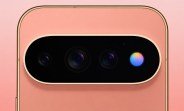
Google’s next-generation Pixel 11 Pro series is generating significant buzz, and the latest leak points to a nostalgic yet modern addition: an RGB LED notification light integrated into the rear camera bar. Previously rumored under the codename ‘Pixel Glow,’ this feature appears to be officially branded as ‘HiLight,’ according to new promotional materials shared by renowned tipster Evan Blass. The leak not only reveals the new name but also offers a glimpse into the supported colors, promising a personalized notification experience that many users have missed since the days of the classic notification LED.
What is HiLight? A Fresh Take on Notification Lights
For those who remember the era of dedicated notification LEDs on smartphones, HiLight is a welcome revival. This feature uses a ring of RGB LEDs embedded around the camera lens or along the camera bar to provide visual alerts for incoming calls, messages, app notifications, and more. Unlike the simple single-color LEDs of the past, HiLight promises a spectrum of colors, allowing users to assign specific hues to different contacts or app categories. This functionality not only adds a layer of personalization but also serves a practical purpose, enabling users to glance at their phone and know what notification awaits without unlocking it.
The Evolution from ‘Pixel Glow’ to ‘HiLight’
The journey from the rumored ‘Pixel Glow’ to the now-leaked ‘HiLight’ is a classic case of tech speculation meeting corporate reality. Early reports and community discussions had affectionately dubbed the feature ‘Pixel Glow,’ a name that fit Google’s branding and the glowing nature of the light. However, the official marketing materials obtained by Evan Blass clearly display ‘HiLight’ as the consumer-facing name. This rebranding could be part of a broader strategy to create a distinct identity for this feature, potentially making it a signature element of the Pixel 11 series. While ‘Pixel Glow’ was a fan favorite, ‘HiLight’ feels more like a deliberate product name, one that might be easier to trademark and market globally.
Leaked Promotional Images Reveal Key Details
The new promotional images shared by Blass offer a detailed look at how HiLight will be presented to consumers. The images, which appear to be official marketing renders, showcase the Pixel 11 Pro and Pixel 11 Pro Fold with the camera bar prominently displayed. In these renders, the RGB LED ring is visible around the camera lenses, and the accompanying text explicitly mentions ‘HiLight’ as the feature’s name. This is a significant departure from the earlier ‘Pixel Glow’ rumors and provides the most concrete evidence yet of the feature’s existence and its final branding.
Supported Colors: A Spectrum of Possibilities
Perhaps the most exciting aspect of the leak is the revelation of the supported colors. While the full list hasn’t been exhaustively detailed, the promotional materials suggest a wide range of options, including vibrant reds, blues, greens, yellows, and purples. This color variety is crucial for the feature’s functionality, as it allows users to assign distinct colors to different notification types. For example, a red glow could indicate a missed call from a specific contact, while a blue glow might signify a new message from a social media app. The ability to customize these colors through the system settings will be key to the feature’s utility, and it’s likely that Google will offer a comprehensive color picker to maximize personalization.
How HiLight Could Enhance the Pixel Experience
HiLight is more than just a cosmetic addition; it has the potential to fundamentally improve how users interact with their Pixel phones. In an era where always-on displays (AOD) are common, a physical LED light offers a complementary, and sometimes superior, notification method. For instance, when the phone is face down on a table, the AOD is useless, but the HiLight ring on the back would be visible, providing an immediate visual cue. This is particularly useful in meetings, at dinner, or in any situation where picking up the phone is not ideal.
Integration with Android’s Notification System
For HiLight to be truly effective, it will need deep integration with Android’s notification system. The good news is that Android has a robust notification framework that allows apps to send detailed metadata, including category and importance. Google can leverage this to automatically assign default colors to different notification channels, while also giving users the ability to override these settings. For example, a user could set a specific color for all messages from a partner, or a distinct color for emails from their boss. This level of customization would make HiLight a powerful tool for managing digital life, reducing the need to constantly check the phone.
Pixel 11 Pro and Pixel 11 Pro Fold: What Else to Expect
The HiLight leak comes as part of a broader wave of information about the Pixel 11 Pro series. While the RGB LED is a headline feature, the phones are expected to come with other significant upgrades. The Pixel 11 Pro is rumored to feature the next-generation Tensor G5 chip, which will bring improvements in AI processing, photography, and overall performance. The camera system is also expected to see enhancements, possibly including a new sensor or improved computational photography algorithms. The Pixel 11 Pro Fold, meanwhile, is expected to build on the success of its predecessor, with a more refined hinge, a larger cover display, and the same camera capabilities as the standard Pro model.
Design and Build: A Closer Look at the Camera Bar
The design of the camera bar has been a defining characteristic of Pixel phones since the Pixel 6 series, and the Pixel 11 Pro is expected to continue this tradition. The leaked images show a sleek, polished camera bar that seamlessly integrates the HiLight LED ring. The placement of the LEDs around the camera lenses is both functional and aesthetically pleasing, creating a distinctive look that sets the Pixel apart from other flagship smartphones. The build quality is expected to be premium, with materials like aluminum and glass, and the phones are likely to be available in a range of colors, although the exact options are still under wraps.
Potential Concerns and Considerations
While HiLight is an exciting feature, there are a few potential concerns that Google will need to address. One is battery life. An RGB LED, even when used sparingly, consumes power. However, modern LEDs are highly efficient, and the impact on battery life is likely to be minimal, especially if Google implements smart algorithms to adjust brightness and duration. Another concern is the potential for distraction. A constantly flashing light could be annoying in some environments, but this can be mitigated with settings that allow users to disable HiLight during certain hours or in specific situations, such as when the phone is in Do Not Disturb mode.
Privacy and Accessibility: Making HiLight Inclusive
Google has a strong track record of prioritizing accessibility, and HiLight should be no exception. The feature could be a boon for users with hearing impairments, providing a visual alternative to sound-based notifications. To ensure inclusivity, Google should offer a range of accessibility options, such as the ability to increase the brightness of the LED, adjust the flash rate, or use a combination of colors for color-blind users. Additionally, privacy is a consideration. Users might not want a visible light to indicate when they receive a sensitive notification. Providing granular controls over which apps and contacts can trigger HiLight will be essential to address these concerns.
Comparing HiLight to Other Notification Methods
To understand the potential impact of HiLight, it’s helpful to compare it to existing notification methods. The always-on display is a staple of modern smartphones, but it requires the screen to be active, which can be a drain on battery and can be distracting in low-light environments. The notification LED, popularized by phones like the Nexus and early Pixels, was simple and effective, but it was often limited to a single color. HiLight combines the best of both worlds: the visibility of an LED with the color customization of an AOD. It also offers a unique advantage in that it can be seen from any angle, whereas an AOD is only visible when looking directly at the screen.
The Nostalgia Factor: Why Users Love It
There’s a strong sense of nostalgia associated with notification LEDs. Many long-time Android users fondly remember the blinking light on their old phones, which gave them a sense of connection to their device. The return of this feature in a modern, customizable form is likely to be met with enthusiasm. It taps into a desire for more tactile, physical interactions with our technology, moving beyond the purely digital. HiLight could be a key differentiator for Google, appealing to both long-time Pixel fans and those who miss the simplicity of the notification LED era.
What the Leak Means for Google’s Marketing Strategy
The choice of ‘HiLight’ over ‘Pixel Glow’ suggests a strategic marketing decision. ‘HiLight’ is a more generic term that could be used across multiple products, not just the Pixel 11 series. It’s possible that Google plans to introduce HiLight as a feature on other devices, such as the Pixel Tablet or even the Pixel Watch, creating a unified notification ecosystem. The name is also more descriptive, clearly indicating that the feature highlights important information. This could make it easier to explain to consumers in marketing campaigns, focusing on the practical benefits rather than a whimsical name.
Release Date and Availability
While Google hasn’t officially confirmed the Pixel 11 Pro series or the HiLight feature, leaks suggest an announcement in the fall of 2026, likely in October, following Google’s usual release schedule. The phones are expected to be available in the US and other key markets shortly after the announcement. As with previous Pixel launches, there may be pre-order bonuses or exclusive color options for early adopters. The HiLight feature will likely be a headline selling point, and Google will probably showcase it in its promotional videos and advertisements, demonstrating how it can be used to stay connected without constantly checking your phone.
Final Thoughts: A Bright Future for Pixel Notifications
The leak of the HiLight feature is a promising sign for the future of the Pixel lineup. It shows that Google is willing to innovate and bring back features that users genuinely want, even if they are from a bygone era. The combination of a physical LED with modern software customization has the potential to be a game-changer in how we receive notifications. While we await official confirmation from Google, the evidence strongly suggests that the Pixel 11 Pro and Pixel 11 Pro Fold will be the first phones to feature this exciting new technology. For now, Pixel enthusiasts have every reason to be excited about what’s to come.