
Folding phones are no longer a niche experiment. They’re here, they’re expensive, and they’re delicate. If you’ve splashed out on an iPhone Duo—Apple’s long-rumored entry into the foldable arena—you already know that protecting it is a different beast entirely. Ordinary iPhone cases simply don’t cut it when there’s a hinge involved. The iPhone Duo’s folding design introduces a whole new set of vulnerabilities: the hinge mechanism, the crease-prone inner display, and the exposed edges when the phone is partially open. That’s why case makers have been busy engineering solutions that shield the phone without turning it into a brick.
We’ve spent time examining 14 iPhone Duo cases that aim to strike the right balance between hinge protection, grip, and everyday usability. We’ve also identified another 14 alternatives for those who want more options. The goal is simple: help you find a case that keeps your folding phone safe without getting in the way of its headline feature—the fold.
Why iPhone Duo Cases Are Different
Standard iPhone cases are essentially bumpers with backs. They protect corners and prevent scratches, and that’s usually enough. But the iPhone Duo folds in half. That means the case has to accommodate a moving part—the hinge—while still offering a rigid frame around the rest of the device. Some designs use flexible hinge covers that stretch and compress as the phone opens and closes. Others reinforce the spine with metal or hard plastic. Then there are the slim cases that deliberately leave the hinge exposed to reduce bulk. Each approach has trade-offs.
Hinge protection is the biggest differentiator. A fully covered hinge offers the best defense against drops and dust, but it can add noticeable thickness. Exposed hinges feel more natural in the hand and keep the phone slim, but they leave a critical component vulnerable. If you’re prone to dropping your phone—or you work in a dusty environment—a covered hinge is probably worth the extra bulk. If you baby your devices and prioritize pocketability, a slim case might be the better call.
Hinge Protection: Full Cover vs. Exposed
Full-cover hinge designs often use a combination of soft TPU and hard polycarbonate. The TPU flexes with the hinge, while the polycarbonate shell adds rigidity. Some cases even incorporate a metal spine for extra durability. The downside is that these cases can make the phone feel chunkier when folded, and they sometimes interfere with wireless charging if not designed carefully. Exposed-hinge cases, on the other hand, are typically thinner and lighter. They often rely on raised lips around the camera and screen to prevent scratches, but they won’t do much if the phone lands directly on its hinge. For many users, the sweet spot is a case with partial hinge coverage—enough to absorb impact without adding too much bulk.
Materials and Build Quality
The materials used in iPhone Duo cases vary widely. Leather remains popular for its premium feel and patina, but it requires more care. TPU and polycarbonate are the workhorses—affordable, durable, and available in countless colors. Rugged cases often use a combination of these with reinforced corners and raised edges. Some manufacturers are experimenting with aramid fiber for slim, strong cases that resist scratches and fingerprints.
One trend we’ve noticed is the rise of textured finishes. A good grip is essential for a folding phone, especially when you’re opening it one-handed. Cases with textured backs—whether leather, fabric, or patterned plastic—tend to feel more secure in the hand. Smooth, glossy cases look sleek but can be slippery. If you’re clumsy, prioritize grip.
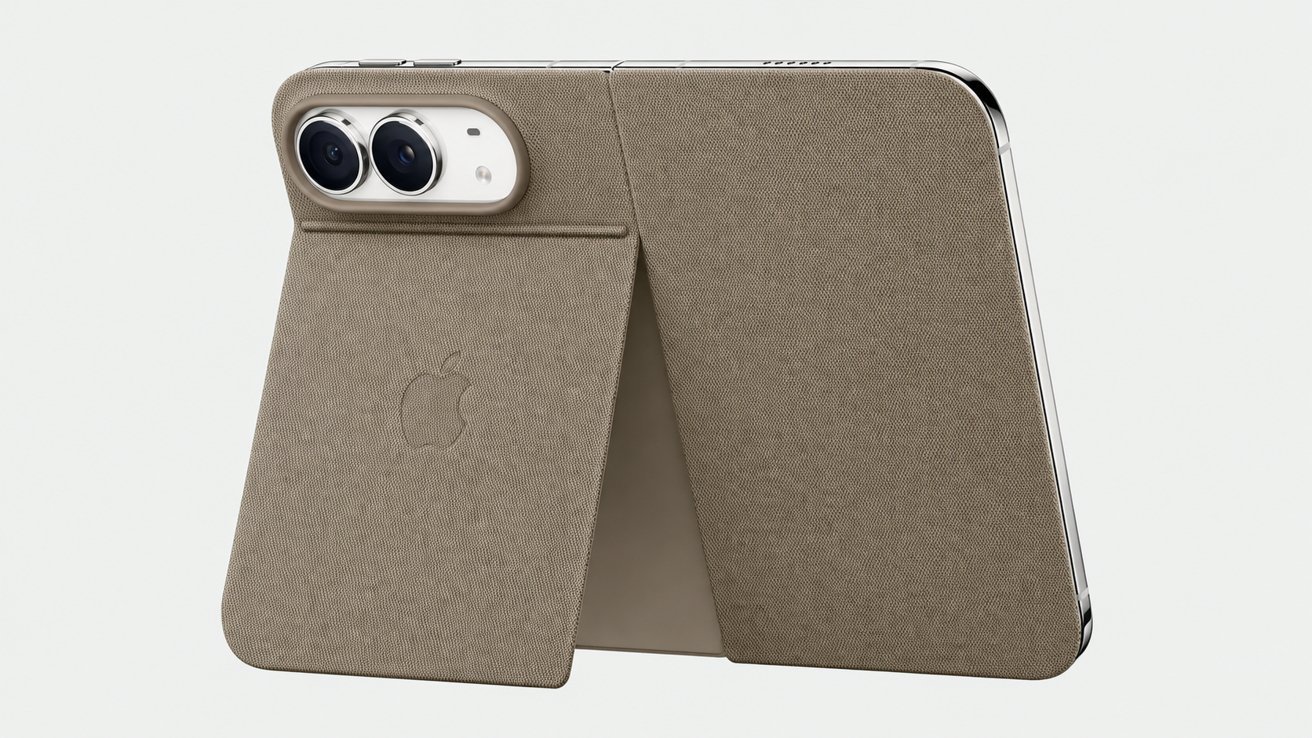
Take the beige iPhone case shown above. It’s a simple foldable stand case that matches the phone’s color and props horizontally for video watching. The dual rear cameras are clearly accessible, and the Apple logo peeks through. It’s a minimalist option that adds functionality without bulk. But note the lack of hinge coverage—this is a case for careful users.
MagSafe and Wireless Charging Compatibility
MagSafe has become a staple of the iPhone experience, and folding phones are no exception. Many iPhone Duo cases now include built-in magnets or a MagSafe-compatible ring. This allows you to snap on wallets, chargers, and stands without removing the case. However, hinge design can complicate things. Cases with thick hinge covers sometimes block the magnetic array, reducing charging speed or preventing accessories from attaching securely. If MagSafe is important to you, look for cases that explicitly advertise compatibility and have a clear circular mount.
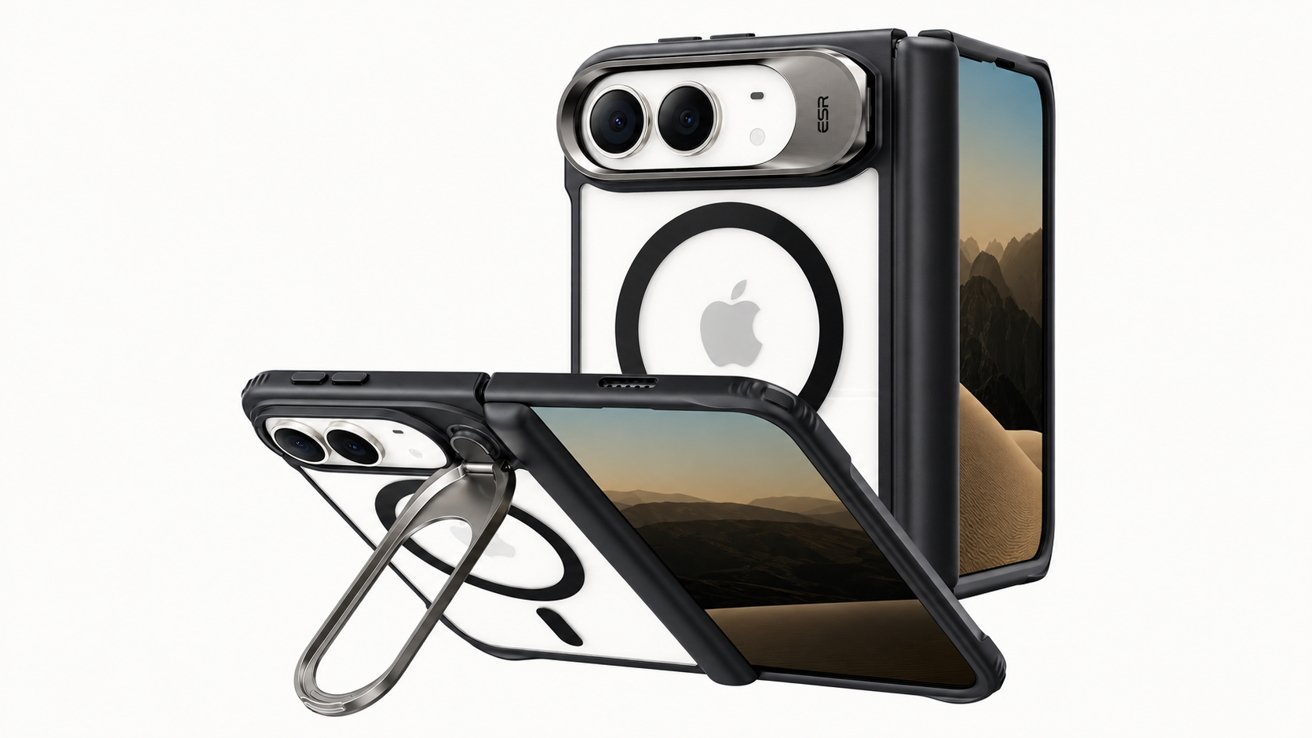
The case above is a good example: it features a ring stand and a MagSafe-style circular mount, so you can use it with a magnetic charger or a ring grip. The dual rear cameras are protected by raised edges, and the landscape wallpaper suggests it’s designed for media consumption. It’s a versatile option for people who want a stand and MagSafe in one package.
Built-in Stands: Convenience or Compromise?
Built-in stands are increasingly common on folding phone cases. They’re great for watching videos, making video calls, or propping the phone up on a desk. The mechanisms range from simple fold-out kickstands to ring stands that double as grips. The trade-off is usually thickness and weight. A stand adds bulk, and some designs feel flimsy. But for frequent travelers or remote workers, the convenience is hard to beat. Look for stands that lock securely in place and don’t interfere with the folding mechanism.
Rugged Cases for Adventurous Users
If you need maximum protection, rugged cases are the way to go. These often feature multi-layer construction, reinforced corners, and port covers. They’re bulkier, but they can survive drops that would destroy a slim case. OtterBox is a familiar name in this space, and their folio-style cases for folding phones are worth considering. They typically combine a hard inner shell with a soft outer slipcover and a front cover that protects the screen when folded.
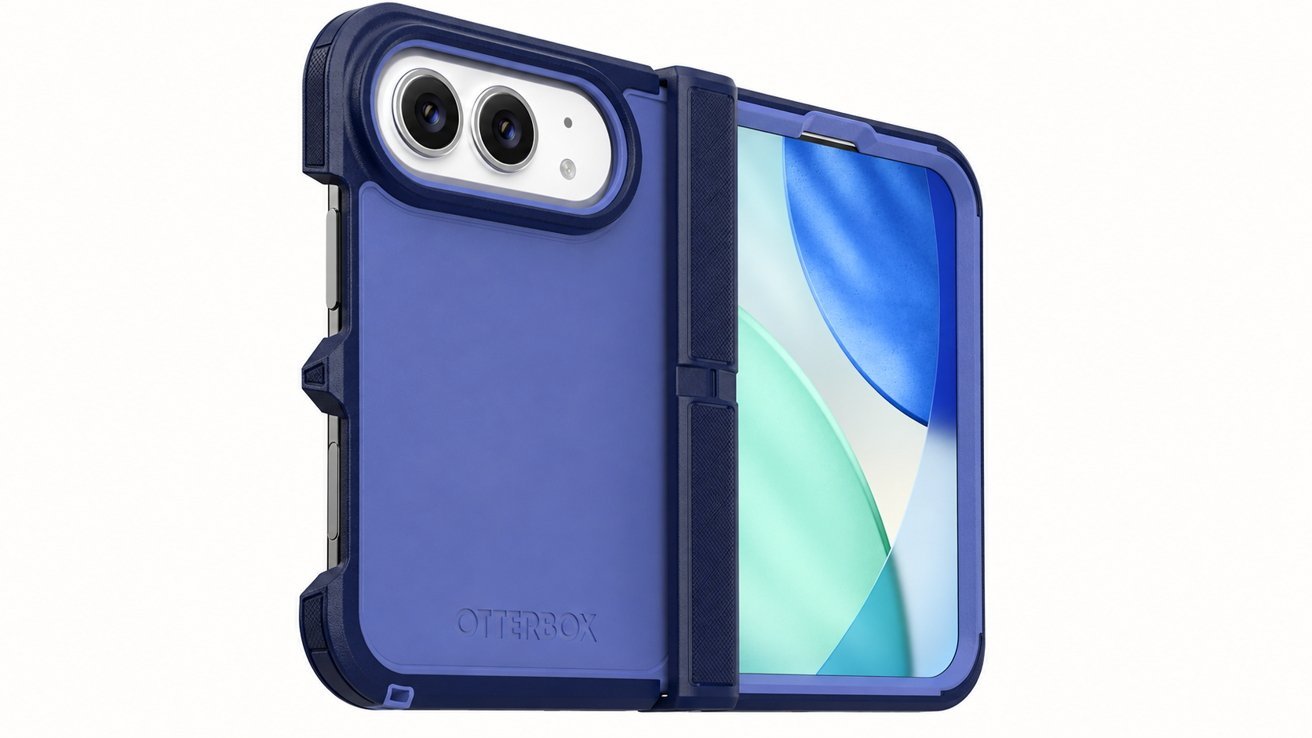
The blue OtterBox folio case shown here illustrates the approach: dual rear cameras are recessed, raised edges protect the screen, and the front cover opens like a book. It’s not subtle, but it’s tough. For outdoor enthusiasts or klutzes, this kind of protection is invaluable.
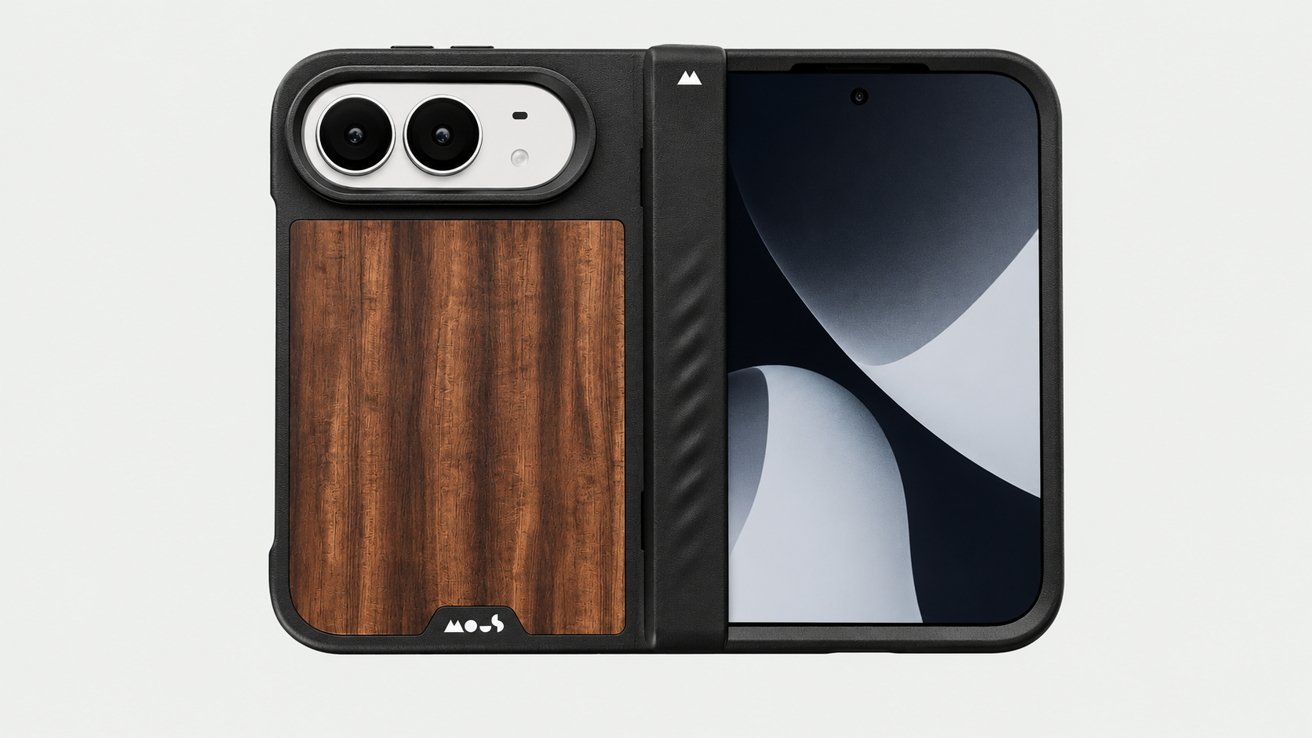
Another rugged option is the black case with a wood-grain panel. It combines a hard shell with a textured back that improves grip. The dual rear cameras are protected by a raised bump, and the front screen is visible on the right, suggesting a folio design that covers the display when closed. Wood-grain might not be everyone’s taste, but it adds a touch of personality to an otherwise utilitarian case.
Slim and Stylish Alternatives
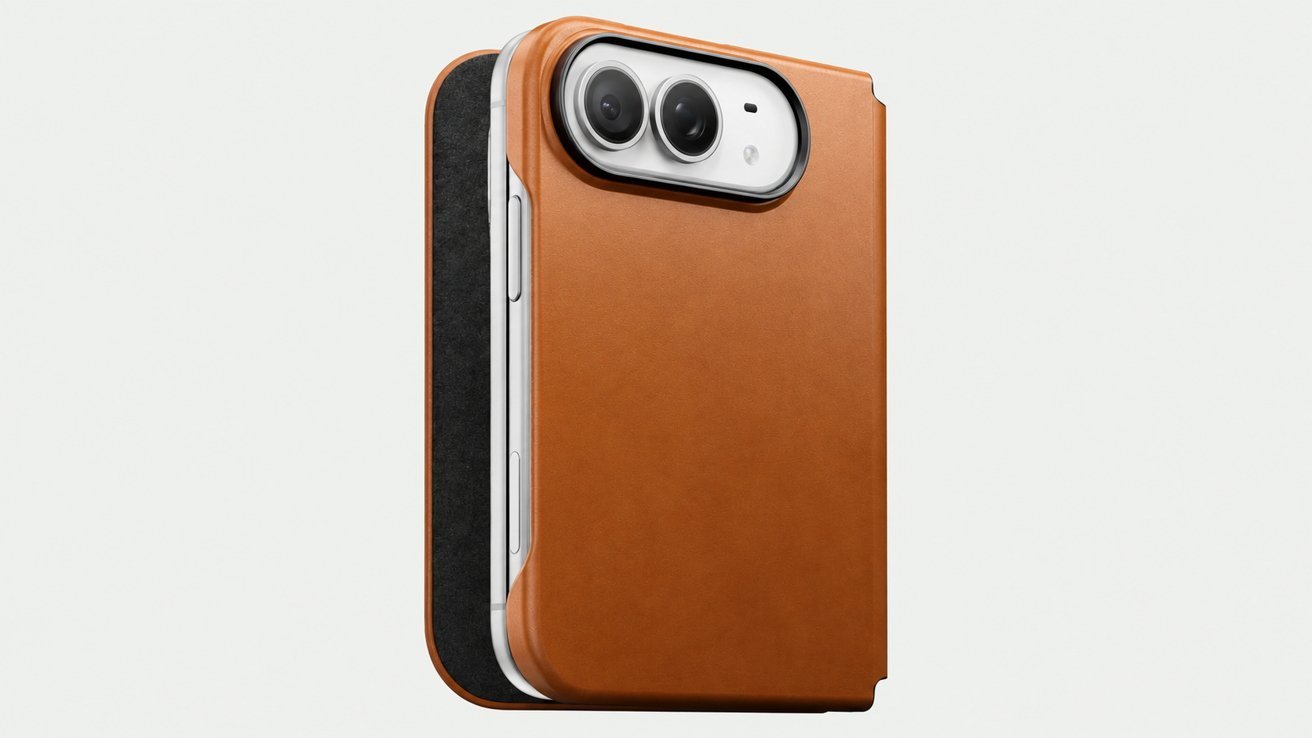
Not everyone wants a tank on their phone. For those who prioritize aesthetics, there are plenty of slim cases that offer basic protection without the bulk. Leather wallet cases are a classic choice. They often include slots for cards and cash, turning your phone into a minimalist wallet. The brown leather wallet-style case shown below is a good example: it’s partially open, revealing the phone’s dual rear cameras and silver edges. The leather will develop a patina over time, and the folio design protects the screen when closed.
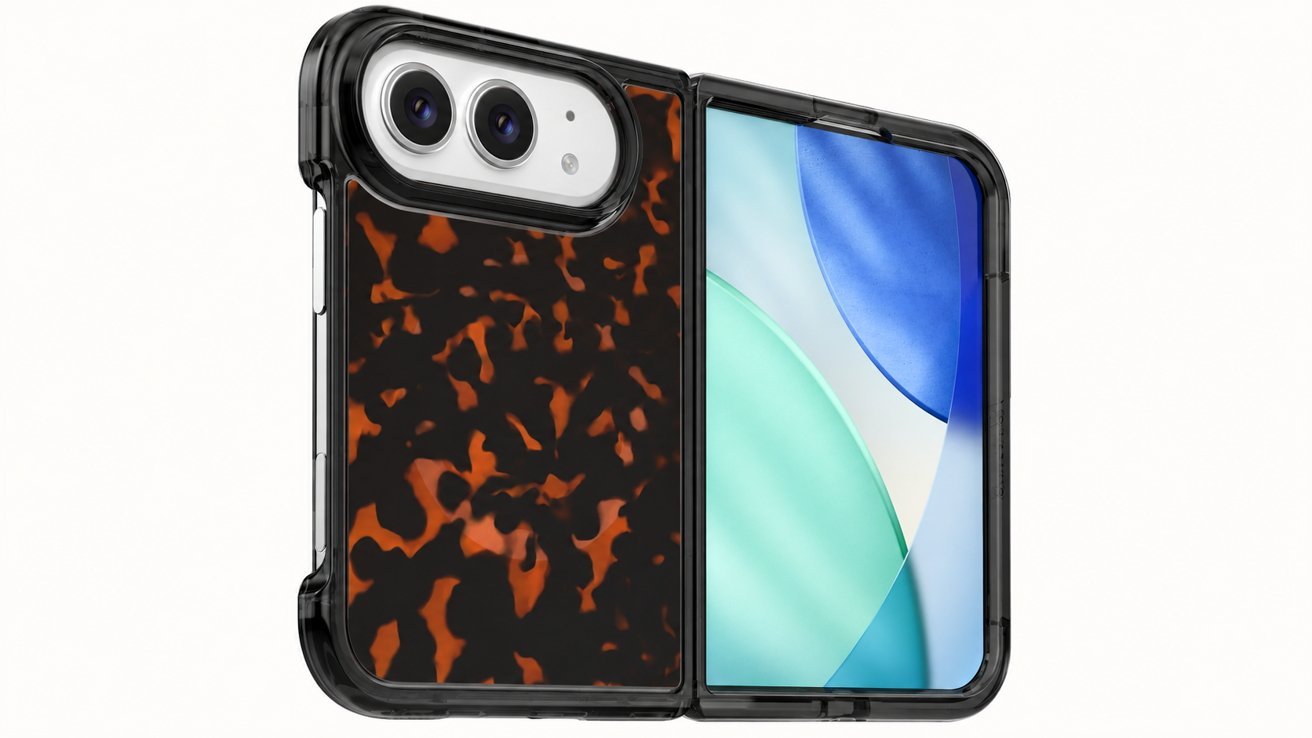
For a more modern look, consider cases with unique patterns. The tortoiseshell-patterned case on the foldable smartphone below is a standout. It covers one half of the phone’s back while leaving the other half exposed to display the screen. It’s a bold choice that celebrates the folding form factor rather than hiding it.
Camera Protection Matters
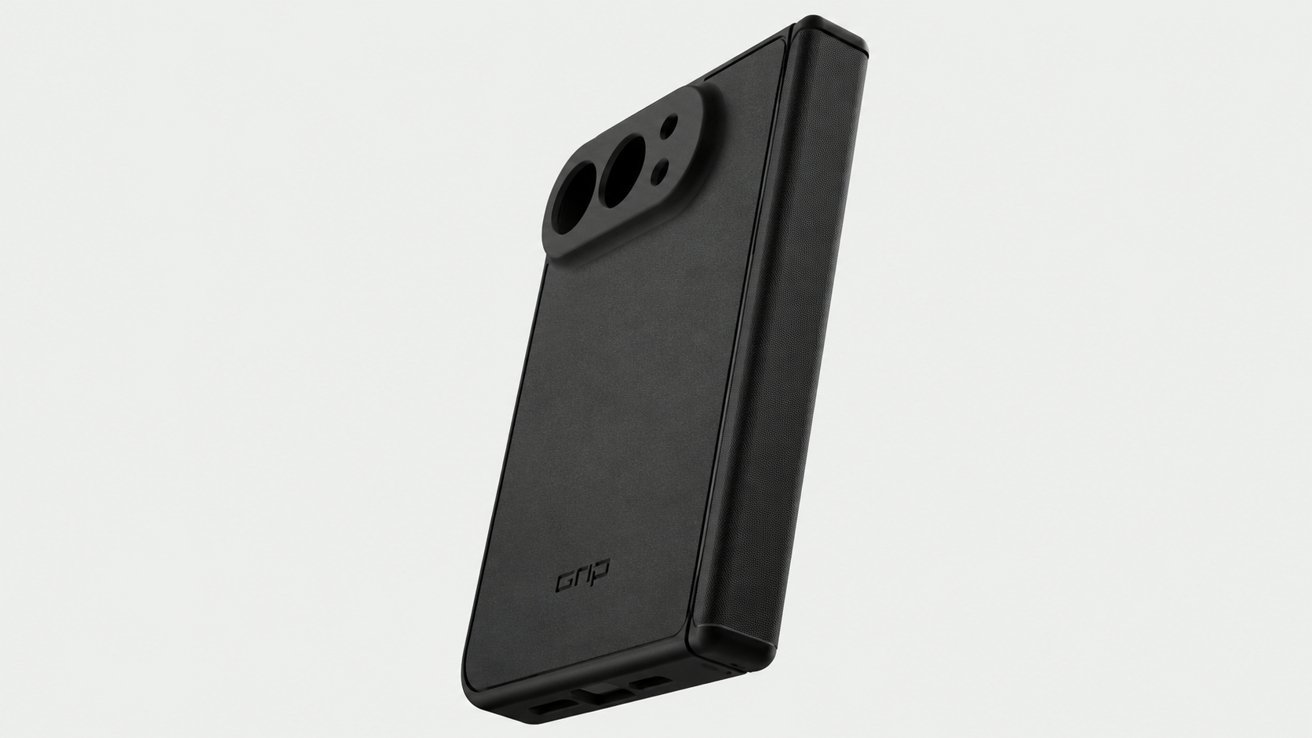
Folding phones often have multiple rear cameras, and they’re usually arranged in a bump that can be scratched or cracked. A good case should have raised edges around the camera module—ideally with precise cutouts for each lens. Some cases go further with sliding covers or individual lens protectors. The black case below features a raised camera bump with three lens cutouts and a subtle logo near the bottom. It’s a simple but effective design that keeps the lenses safe without adding unnecessary bulk.
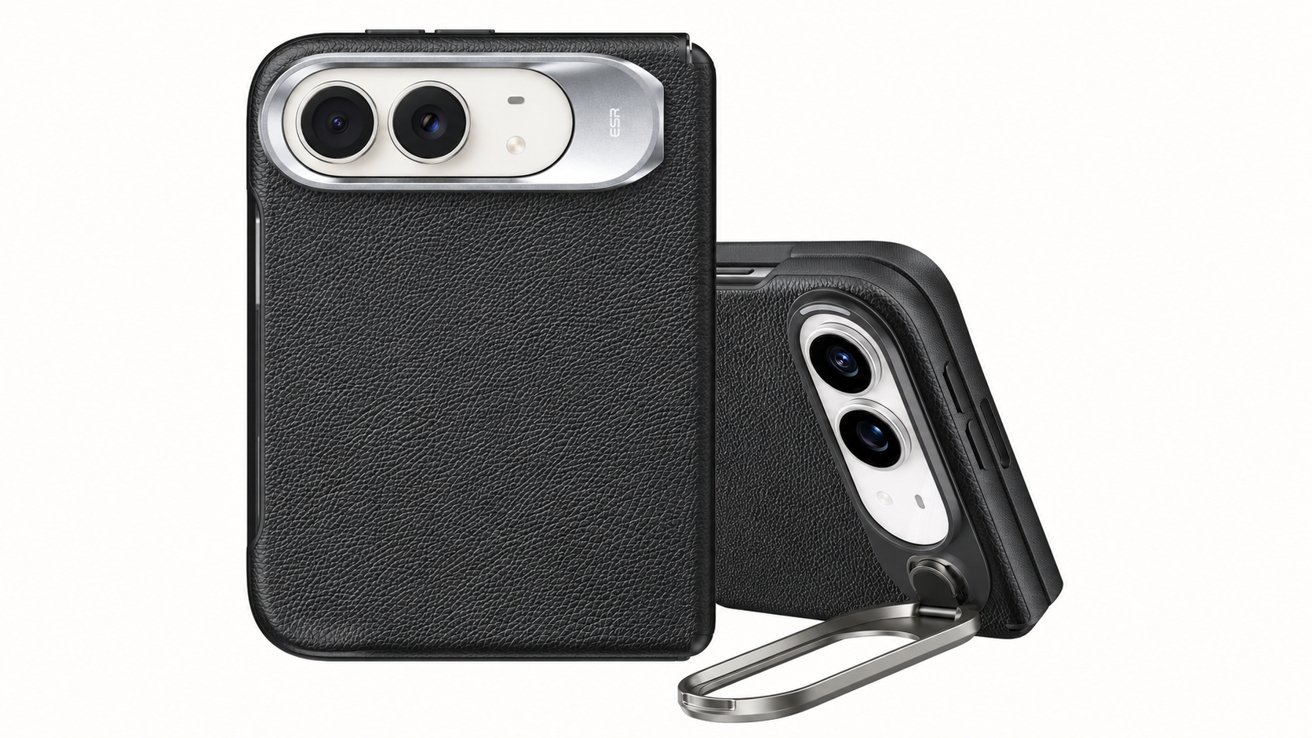
Similarly, the black textured foldable case with dual camera cutouts and silver trim around the lenses includes a small metal carabiner-style clip. That clip is a nice touch for attaching the phone to a bag or belt loop—handy for outdoor activities. The textured back also improves grip, which is crucial for a device that opens and closes.
Hinge Protection in Action
Let’s take a closer look at hinge protection. The two views of the black rugged folding case below show one closed view with dual rear cameras and one open view revealing the inner screen displaying a serene desert landscape. This case appears to have a flexible hinge cover that wraps around the spine. It’s a good example of how a case can protect the hinge without compromising the folding experience. The inner screen is fully accessible, and the case doesn’t appear to interfere with the fold.
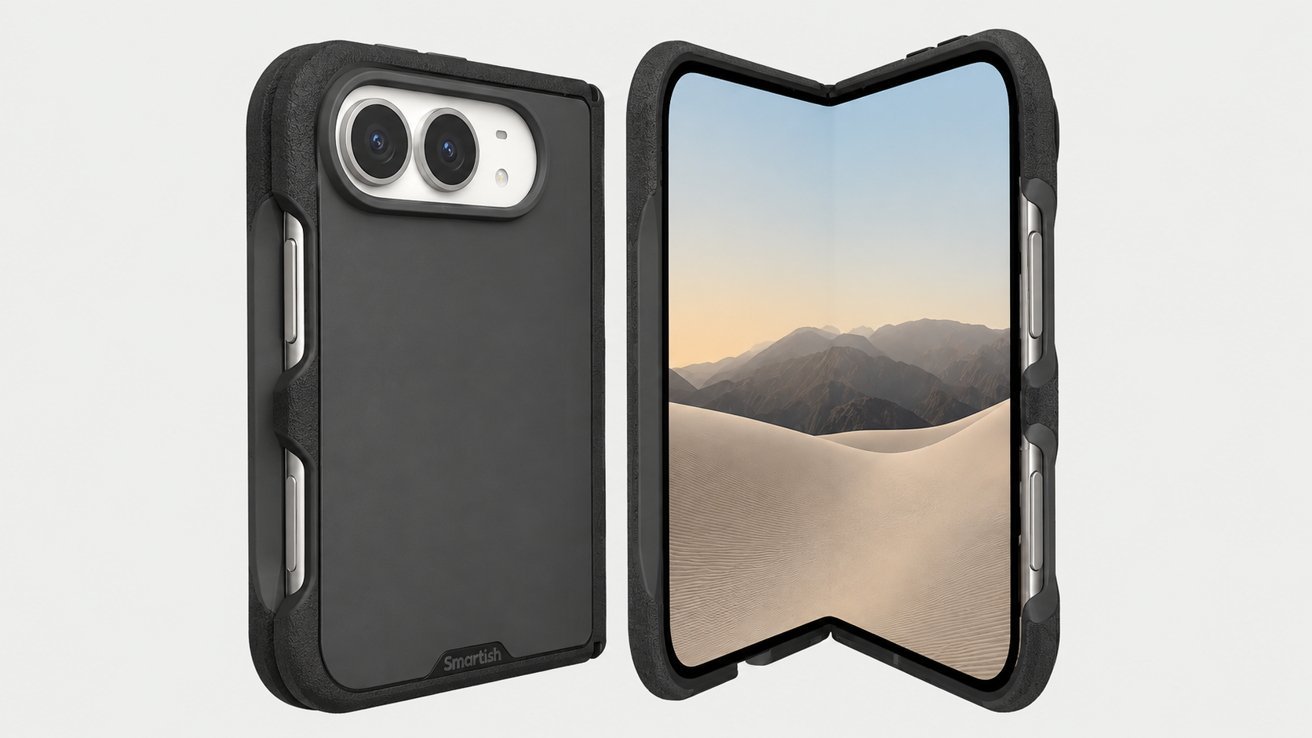
When evaluating a hinge-protecting case, check for a few things: Does the cover stay in place when the phone is opened and closed repeatedly? Does it add significant thickness? Does it interfere with the phone’s ability to lay flat? A well-designed hinge cover should be unobtrusive and durable.
Price and Value
iPhone Duo cases range from budget-friendly options under $30 to premium leather cases over $100. The sweet spot for most people is around $40–$60, where you get decent materials, reliable hinge protection, and often MagSafe compatibility. It’s worth paying a bit more for a case from a reputable brand with a good warranty. Remember that folding phones are expensive to repair—a $50 case is cheap insurance compared to a $500 hinge replacement.
What About Alternative Cases?
We mentioned 14 alternatives earlier. These include cases from smaller brands that offer unique features like kickstands, card slots, or customizable backs. Some are available in multiple colors, while others focus on eco-friendly materials. The key is to read reviews and check return policies. A case that looks great in photos might feel cheap in person or interfere with the phone’s sensors.
Making the Right Choice
Choosing an iPhone Duo case comes down to your priorities. If you want maximum protection, go for a rugged folio with full hinge coverage. If you want to keep the phone slim, consider a minimal case with exposed hinge and raised camera edges. If you use MagSafe accessories daily, make sure the case supports it. And if you watch a lot of videos, a built-in stand is a worthwhile addition.
Ultimately, the best case is the one you’ll actually use. A case that’s too bulky might end up in a drawer, leaving your phone unprotected. A case that’s too flimsy won’t save your phone from a drop. Weigh the trade-offs, consider your habits, and pick a case that fits your lifestyle. Your folding phone will thank you.