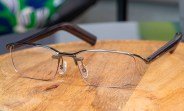
The race to make smart glasses mainstream is heating up, with tech giants pouring billions into research and development. Yet, the latest weekly poll on our site paints a stark picture: these devices are still struggling to find their footing. The overwhelming majority of respondents aren’t using them, and the reasons go beyond mere availability. It seems the industry is pushing a product that many consumers simply don’t see a need for in their daily lives.
We asked our readers about their experiences with smart glasses, and the results were unambiguous. Less than 5% of participants said they actively use them on a regular basis. While some cited regional availability as a barrier, the broader sentiment was clear: there’s no killer app that makes these devices indispensable. For most, they remain a novelty rather than a necessity.
The Numbers Behind the Skepticism
Our poll attracted thousands of responses, and the breakdown is telling. A vast majority—over 70%—said they have never tried smart glasses and have no immediate plans to. Another 15% had tried them but quickly abandoned the idea, citing discomfort, limited functionality, or simply a lack of interest. Only a small fraction saw them as a viable replacement for their smartphone or smartwatch.
This isn’t to say there’s no interest in the concept. Many respondents expressed curiosity about augmented reality (AR) features, like navigation overlays or real-time translations. However, the current generation of devices doesn’t deliver on these promises in a way that justifies the price tag or the social awkwardness of wearing a computer on your face.
Regional Availability and Price Hurdles
One factor that can’t be ignored is that smart glasses from major brands like Meta, Google, and Samsung aren’t available everywhere. In many regions, they’re either not sold officially or come with hefty import costs. This naturally skews the poll results, but even in markets where they’re readily available, adoption remains low.
Price is another significant barrier. Most smart glasses retail for $300 to $1,500, which is a hard sell for a device that duplicates functions already handled by a smartphone. For that kind of money, consumers expect a transformative experience, not just a Bluetooth-connected display strapped to their face.
What Are Smart Glasses Actually Good For?
Proponents argue that smart glasses offer hands-free convenience, which is a game-changer for certain professions. For instance, warehouse workers can use them for inventory management, and surgeons can access patient data during operations. But these are niche use cases that don’t resonate with the average consumer.
For everyday users, the most touted features are notifications, navigation, and media playback. But these are all things you can do with a quick glance at your phone—a device that’s already in your pocket. The added benefit of having information in your line of sight is marginal, especially when it comes with compromises in battery life, weight, and privacy.
The Privacy Elephant in the Room
One of the biggest concerns raised by poll respondents was privacy. Wearing a device with a camera and microphone makes others uneasy, and many users feel self-conscious about it. There’s also the fear of being recorded without consent, which has led to bans in some public spaces. This social stigma is a major deterrent that tech companies haven’t adequately addressed.
Moreover, the data collection aspect is a red flag. Smart glasses are essentially data-gathering tools, and users are wary of how their visual and audio data might be used or misused. Trust is a fragile commodity, and the tech industry hasn’t done enough to build it.
Comparisons to Other Wearables
It’s interesting to compare smart glasses to smartwatches, which have seen widespread adoption. When smartwatches first launched, they faced similar skepticism. But they found a niche in health tracking and notifications, and they’ve since become a staple for many.
Smart glasses, however, lack that clear value proposition. Health tracking on glasses is limited to basic metrics like step count, which is already covered by phones and watches. The form factor is also less practical for continuous wear—glasses can be uncomfortable, and not everyone needs prescription lenses.
What Would Change Minds?
We asked respondents what would make them consider buying smart glasses. The most common answers were: better battery life (at least a full day), lighter and more stylish designs, and truly useful AR features like real-time language translation or visual search. Some also mentioned lower prices, with many saying they’d pay no more than $200.
Another recurring theme was the need for a standalone device that doesn’t rely on a smartphone. Current models often require a companion phone for processing, which limits their utility. A self-contained unit with 5G connectivity and on-device AI could be a step in the right direction.
The Future of Smart Glasses
Despite the current lackluster reception, it’s too early to write off smart glasses entirely. The technology is still in its infancy, and we’ve seen how quickly consumer attitudes can shift with the right product. The success of devices like the Meta Ray-Ban Stories shows that there’s a market for stylish, camera-equipped glasses, even if the smart features are limited.
The next few years will be crucial. Companies need to focus on solving real problems, not just adding tech for tech’s sake. That means improving the user experience, addressing privacy concerns, and finding a killer app that makes smart glasses an essential tool rather than an optional gadget.
Lessons from the Poll
This poll is a reality check for the industry. It shows that consumers are not easily swayed by hype. They want practical, affordable, and unobtrusive devices that enhance their lives without adding complexity. Until smart glasses meet those criteria, they’ll remain a niche product for early adopters.
For now, the verdict is clear: smart glasses are a solution looking for a problem. But with rapid advancements in AR, AI, and miniaturization, that problem might just be around the corner. Until then, most of us will keep our phones in our pockets and our faces free of screens.