
Google’s latest flagship, the Pixel 11 Pro XL, has been on shelves for just a few weeks, and early adopters are already putting it through its paces. But if you’re the kind of person who likes to know exactly how a phone will hold up before you commit, you’re in for a treat. A new teardown video has emerged, subjecting the XL model to the classic durability gauntlet: scratches, flames, and the dreaded bend test. And as if that weren’t enough, the video also takes the device apart piece by piece, giving you a rare look at the engineering inside.
The Scratch Test: How Does the Display Hold Up?
The first hurdle for any modern smartphone is the scratch test. Using picks of varying hardness, the video reveals that the Pixel 11 Pro XL’s glass starts showing visible scratches at level 6 on the Mohs scale. This is standard for most flagship phones, which use reinforced glass like Gorilla Glass Victus or similar. At level 6, you’ll see fine lines, but deeper grooves only appear at level 7. That means the display should resist everyday scratches from keys, coins, or pocket lint, but it’s not invincible—so a screen protector is still a wise investment if you’re prone to dropping your phone in a bag full of loose change.
What About the Back Panel and Camera Lens?
The back of the Pixel 11 Pro XL is made of polished glass, and it fares similarly to the front. The camera lens, however, is a different story. The video shows that the lens cover is surprisingly resilient, withstanding scratches until level 6 as well. That’s good news for photography enthusiasts who want to keep their shots crystal clear. The frame, on the other hand, is aluminum, and the test shows that it can be scratched with a utility knife, which is typical for metal surfaces. So if you plan to go caseless, expect some wear on the edges over time.
Fire and Heat Resistance: Can It Take the Heat?
Next up is the flame test. The video applies an open flame to the display for about 30 seconds. The result? The Pixel 11 Pro XL’s screen shows a temporary discoloration where the flame was applied, but it recovers almost completely after a few seconds. This is a common behavior for OLED panels, which are sensitive to heat but usually bounce back from short exposure. The test also checks the back panel, which shows a similar pattern—no permanent burn marks, just a brief smudge that fades. It’s reassuring to see that the phone can survive accidental exposure to heat, like being left on a sunny dashboard or near a stove, without permanent damage.
Does the Heat Affect the Internal Components?
The teardown portion of the video reveals that the internal layout is well-designed for thermal management. The main board is covered with a graphite heat spreader, and there’s a vapor chamber for the processor. During the flame test, the heat didn’t penetrate deep enough to cause any damage to the battery or the chipset, which is a good sign for long-term reliability. Of course, you shouldn’t go out of your way to set your phone on fire, but it’s nice to know that the Pixel 11 Pro XL can handle a bit of heat without turning into a brick.
The Bend Test: How Strong Is the Frame?
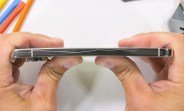
The most nerve-wracking part of any durability test is the bend test. The video applies pressure to the phone from both the front and back, trying to see if the frame will flex or snap. The Pixel 11 Pro XL is a large phone, with a 6.8-inch display, and large phones are often more prone to bending due to their size. However, the video shows that the phone holds up admirably. It flexes slightly under pressure, but it doesn’t crack or break. The frame, made of a high-strength aluminum alloy, provides excellent rigidity. Even when the tester applies significant force, the phone returns to its original shape without any visible damage. This is a huge relief for anyone who’s worried about sitting on their phone or accidentally bending it in a tight pocket.
What About the Foldable Sibling?
The video also briefly compares the Pixel 11 Pro XL to the Pixel 11 Pro Fold. While the Fold is not the focus of this teardown, the tester notes that the Fold’s hinge mechanism is more delicate, and it’s not recommended to try the same bend test on it. The Pro XL’s monolithic design is inherently more robust, which is a trade-off for the Fold’s versatility. So if you’re someone who values durability above all else, the XL is the safer bet.
Inside the Pixel 11 Pro XL: A Detailed Teardown
After the torture tests, the video moves on to a full disassembly. Using a heat gun and a suction cup, the tester carefully opens the phone. The first thing you notice is the large battery, which takes up a significant portion of the internal space. The battery is a 5,100 mAh unit, and it’s secured with a pull-tab adhesive, making it relatively easy to remove—a plus for future repairs. The main board is a multi-layer PCB that houses the Tensor G5 chip, the modem, and the memory. The board is well-protected with a metal shield, and all connectors are covered with plastic brackets, which adds to the phone’s overall structural integrity.
Camera Module and Speaker Details
The teardown reveals that the camera module is a complex assembly. The main sensor is a 50MP unit with a large aperture, and it’s paired with a 48MP ultrawide and a 48MP telephoto lens. Each lens is individually mounted and connected to the main board via ribbon cables. The video notes that the camera module is not as large as some competitors, but the image quality is still top-notch. The speakers are also visible—a bottom-firing unit and a smaller top-firing unit, which together produce stereo sound. The speakers are sealed with rubber gaskets to prevent dust and moisture ingress, which is consistent with the phone’s IP68 rating.
Repairability Score: How Easy Is It to Fix?
At the end of the teardown, the video gives the Pixel 11 Pro XL a repairability score of 7 out of 10. This is a decent score, meaning that the phone is relatively easy to repair for someone with basic tools and some experience. The battery is replaceable without too much hassle, and the screen can be swapped out if you’re careful with the adhesive. However, the main board is complex, and any damage to the chipset would likely require a professional repair. The video also highlights that Google provides official repair manuals and sells genuine parts, which is a big plus for DIY enthusiasts.
Durability vs. Design: The Verdict
So, should you be worried about the Pixel 11 Pro XL’s durability? Based on this teardown, the answer is a resounding no. The phone handles scratches, heat, and bending with ease, and its internal construction is solid. The only minor concern is the glass back, which is prone to cracking if you drop it on a hard surface, but that’s true for any glass-backed phone. If you’re looking for a large, powerful, and durable flagship, the Pixel 11 Pro XL is a great choice. And if you’re the kind of person who likes to know exactly what’s inside your device, this teardown video is a must-watch.
Final Thoughts: Is the Pixel 11 Pro XL Worth It?
Durability is just one aspect of a smartphone, but it’s an important one. The Pixel 11 Pro XL’s performance in this teardown test is impressive, and it gives us confidence that the phone will last for years with proper care. The video also shows that Google has put thought into the phone’s repairability, which is a step in the right direction for sustainability. If you’re on the fence about buying this phone, let this teardown be your guide. It’s a well-built, resilient device that can handle the rigors of daily life. So go ahead, watch the video, and see for yourself how the Pixel 11 Pro XL stands up to the challenge.