The Samsung Galaxy Fit3 made its debut in February 2024, and it’s now due for a successor. Rumors are swirling that the Galaxy Fit4 will arrive later this year, and recent leaks have started to paint a clearer picture of its design and key features. While Samsung has remained tight-lipped about an official launch date, the company has quietly published the Galaxy Fit4 Manager app on the Galaxy Store, and the screenshots included in the listing offer a tantalizing hint at NFC support.
One screenshot in particular, which has been circulating among tech enthusiasts, shows a “Wallet” option nestled in the app’s menu. It’s somewhat obscure, tucked behind the bottom navigation bar, but its presence is hard to ignore. This suggests that the Galaxy Fit4 may allow users to make payments with credit or debit cards directly from their wrist—a feature that would be a first for Samsung’s affordable fitness tracker line.
What the Leak Reveals About NFC Support
The discovery of the Wallet option in the Galaxy Fit4 Manager app is more than just a casual observation. It’s a strong indicator that Samsung is preparing to bring contactless payment capabilities to its budget-friendly wearable. For years, NFC payments have been a staple of smartwatches like the Galaxy Watch series, but fitness bands have largely been left out of the party. If the Galaxy Fit4 indeed includes NFC, it would represent a significant upgrade over its predecessor and a major selling point for budget-conscious consumers who want smart features without breaking the bank.
Why NFC Matters for a Fitness Tracker
NFC, or Near Field Communication, enables short-range wireless communication between devices. In the context of wearables, it’s most commonly used for tap-to-pay transactions. Imagine finishing a run and grabbing a coffee without reaching for your phone or wallet—just a quick tap of your wrist. That’s the convenience NFC brings. For a fitness tracker, adding NFC not only enhances utility but also blurs the line between basic bands and full-fledged smartwatches. It’s a feature that could make the Galaxy Fit4 appeal to a broader audience, from fitness enthusiasts to busy professionals who value efficiency.
However, it’s worth noting that NFC support alone doesn’t guarantee payment functionality. Samsung would need to integrate its Samsung Wallet service and ensure compatibility with banks and card issuers. But the groundwork appears to be laid, and the Wallet option in the app is a promising sign.
Design and Features: What Else to Expect
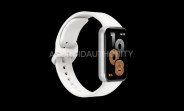
Beyond the NFC tease, leaks have also given us a glimpse of the Galaxy Fit4’s design. The device is expected to retain the sleek, lightweight form factor of the Fit3, which was praised for its comfortable fit and vibrant AMOLED display. Rumors suggest a slightly larger screen, possibly 1.6 inches, with improved brightness and always-on display capabilities. The band is likely to come in a variety of colors, including classic black, silver, and perhaps some trendy hues to attract younger users.
Health and Fitness Tracking Enhancements
Samsung has always packed its fitness trackers with a robust suite of health monitoring tools, and the Galaxy Fit4 is expected to continue that tradition. We can anticipate improvements to heart rate tracking, sleep analysis, and stress monitoring. There’s also chatter about new features like blood oxygen measurement and possibly even an ECG sensor, though the latter might be reserved for higher-end models. The Fit4 could also introduce more advanced workout modes, better GPS accuracy, and enhanced water resistance.
Battery life is another area where Samsung might make strides. The Fit3 offered up to 13 days of typical usage, and the Fit4 could push that further with a more efficient chipset and software optimizations. Users want a tracker that can keep up with their active lifestyle without constant charging, and Samsung seems to be listening.
The Galaxy Fit4 Manager App: A Sneak Peek
The Galaxy Fit4 Manager app itself is a treasure trove of hints. Aside from the Wallet option, the app’s screenshots reveal a user-friendly interface with customizable watch faces, notification management, and detailed health dashboards. The app is designed to sync seamlessly with Samsung Galaxy smartphones, but it may also offer broader compatibility with other Android devices. The presence of the app on the Galaxy Store indicates that Samsung is in the final stages of preparing for the Fit4’s launch, even if an official announcement is still pending.
What the Wallet Option Could Mean for Users
If the Galaxy Fit4 does support payments, it would likely work through Samsung Wallet, which is already available on the company’s smartphones and smartwatches. Users would be able to add eligible credit and debit cards to the wallet and make purchases at NFC-enabled terminals. This feature could be particularly useful for situations where carrying a phone is inconvenient, such as during a workout or a swim. It also adds a layer of security, as payments are tokenized and require authentication.
That said, there are hurdles. Not all banks support Samsung Wallet, and the feature’s availability may vary by region. Samsung will need to ensure a smooth setup process and broad compatibility to make NFC payments a compelling reason to choose the Fit4.
Competition and Market Positioning
The fitness tracker market is crowded, with rivals like Xiaomi, Fitbit, and Garmin offering compelling options at various price points. The Galaxy Fit3 carved out a niche for itself by delivering a premium look and feel at an affordable price, and the Fit4 will need to build on that. NFC support could be the differentiator that sets it apart from competitors like the Xiaomi Smart Band 9, which lacks payment capabilities in many regions.
Samsung’s ecosystem is another advantage. The Galaxy Fit4 will integrate seamlessly with Samsung Health and other Galaxy services, creating a cohesive experience for users who already own Samsung devices. This ecosystem lock-in can be a powerful draw, especially for those looking to upgrade their wearable without switching brands.
Potential Pricing and Availability
Pricing rumors are scarce, but the Galaxy Fit3 launched at around $60, and it’s reasonable to expect the Fit4 to land in a similar range, perhaps with a slight increase due to added features like NFC. Samsung typically announces new wearables at its Unpacked events or via press releases, so we might see the Fit4 debut alongside the Galaxy Watch 7 or other devices later in the year. Given the app’s appearance on the Galaxy Store, a launch could be just around the corner.
What This Means for Samsung’s Wearable Strategy
Samsung has been steadily expanding its wearable portfolio, from high-end smartwatches to affordable fitness bands. The addition of NFC to the Galaxy Fit4 would signal a strategic move to democratize payment technology, making it accessible to more users. It also reflects the growing expectation that even budget wearables should offer smart features that enhance daily life. As Samsung continues to compete with Apple and other players, such innovations could help it maintain a strong foothold in the fitness tracker segment.
Moreover, the Fit4’s success could influence future iterations. If NFC payments prove popular, Samsung might consider adding more advanced features to its fitness bands, further blurring the line between bands and smartwatches.
Conclusion: A Promising Upgrade
While Samsung remains silent on the Galaxy Fit4’s official launch, the evidence from the Galaxy Fit4 Manager app is compelling. The Wallet option strongly suggests NFC support, which would be a game-changer for the fitness tracker lineup. Combined with expected improvements in design, health tracking, and battery life, the Fit4 could be a worthy successor to the popular Fit3. As we await official word from Samsung, the leaks and rumors paint a picture of a device that’s ready to elevate the budget wearable experience. Keep an eye out for more updates—this is one fitness tracker that’s worth watching.