
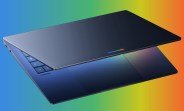
Google has officially set the stage for a major hardware and software reveal. The company has sent out media invitations for a special launch event in New York City on September 15, where it will finally pull the wraps off the long-rumored Googlebooks and the new operating system that powers them. This announcement has been in the works for months, and it promises to reshape how we think about laptops, Chromebooks, and the Android ecosystem.
What We Know So Far About Googlebooks
Google first teased its plans for a new line of laptops back in May, confirming that these devices would run a brand-new operating system built on Android. Since then, the rumor mill has been working overtime, and we’ve already seen early glimpses of what some of these machines might look like, thanks to leaks from partner manufacturers like Lenovo and Asus. But September 15 is when everything becomes official.
The event is shaping up to be a massive one, not just because of the hardware but because of the software that will be at the heart of it. Google is expected to introduce an OS that has been referred to internally as “Aluminum OS” — though that name is likely just a codename. The final branding remains a mystery, but the implications are clear: Google is aiming to unify its Android and Chrome OS experiences in a way that has never been attempted before.
The Road to September 15
It’s been a busy few months for Google’s hardware division. After the initial announcement in May, the company has been quietly working with a handful of OEM partners to ensure a diverse lineup of Googlebooks at launch. Lenovo and Asus are among the first names to surface, but industry insiders suggest that other major players could join the fold soon after the initial rollout.
What makes this launch particularly interesting is the shift in strategy. Unlike previous Chromebooks, which relied heavily on cloud-based computing and web apps, the new Googlebooks are expected to offer a more native, offline-friendly experience. That’s a direct result of the Android-based OS, which brings with it a vast library of existing apps and a mature development ecosystem.
Aluminum OS: A New Chapter for Android
While Google hasn’t officially confirmed the name, the OS that will power the Googlebooks is widely believed to be a hybrid of Android and Chrome OS. The codename “Aluminum OS” has been floating around in tech circles for weeks, and it hints at a lightweight, fast, and secure system that feels familiar to Android users but also offers the productivity features expected from a laptop.
One of the biggest changes will be the user interface. Early reports suggest that the OS will feature a desktop-style interface with resizable windows, a taskbar, and support for keyboard and mouse input. But underneath that familiar shell, it’s still Android at its core, which means users will have access to the Google Play Store right out of the box.
Key Features to Expect
Based on leaks and developer builds, here are some of the features that are likely to be highlighted at the September 15 event:
- Seamless app compatibility: Since the OS is Android-based, millions of existing Android apps will run natively on Googlebooks without any tweaks.
- Enhanced multitasking: A new windowing system will allow users to run multiple apps side by side, similar to what you’d find on Windows or macOS.
- Improved security: Google is expected to bake in its Titan M security chip and regular security updates directly from the company.
- Better offline functionality: Unlike earlier Chromebooks, these devices will work fully offline for most tasks, with cloud features available when you’re connected.
- Cross-device integration: Expect tight integration with Android phones, including the ability to share files, notifications, and even clipboard content seamlessly.
This is a bold move for Google, as it essentially merges two of its biggest platforms. But it’s also a logical step, given the increasing overlap between mobile and desktop computing.
Hardware Partners and Initial Lineup
Lenovo and Asus are the first two manufacturers to be confirmed as partners for the Googlebooks launch. Both companies have a history of producing high-quality Chromebooks, so it’s no surprise they’re leading the charge. However, the rumor mill suggests that Dell, HP, and even Samsung could announce their own Googlebooks in the months following the initial release.
The hardware itself is expected to vary widely, from budget-friendly models aimed at students to premium ultrabooks that can compete with the likes of the MacBook Air and Surface Laptop. Some of the early leaks have shown devices with sleek aluminum bodies, high-resolution displays, and long battery life — a clear sign that Google is targeting the premium segment as well.
What to Expect from the Event
September 15 is going to be a busy day for tech enthusiasts. The event will likely feature a keynote presentation from Google executives, followed by hands-on demos of the new devices. We can also expect detailed discussions about the OS, its features, and how it fits into Google’s broader ecosystem.
There’s also a chance that Google will announce availability dates and pricing for the first wave of Googlebooks. Historically, the company has been aggressive with pricing on its hardware, and the new lineup could start at a very competitive price point to entice users to make the switch.
Why This Matters for the Tech Industry
The introduction of Googlebooks and its new OS could have a significant impact on the laptop market. For years, Chromebooks have been popular in education and budget segments, but they’ve struggled to gain traction with power users and professionals. The new Android-based OS could change that by offering a full-fledged desktop experience with access to a massive app library.
It also puts Google in direct competition with Apple and Microsoft in a way that the company hasn’t really attempted before. If the Googlebooks are successful, they could become a viable alternative to MacBooks and Windows laptops, especially for people who are already invested in the Google ecosystem.
Potential Challenges Ahead
Of course, there are hurdles. One of the biggest challenges will be convincing developers to optimize their Android apps for larger screens. While most apps will run fine, some may look stretched or poorly formatted on a 13-inch or 15-inch display. Google will need to work closely with developers to ensure a smooth experience.
Another challenge is battery life. Running a full desktop OS on laptop hardware can be power-hungry, and early leaks suggest that some models might struggle to match the all-day battery life that modern ultrabooks offer. Google will need to optimize the OS aggressively to deliver on its promises.
Finally, there’s the question of price. If Googlebooks are priced too high, they’ll struggle to compete with established players. But if they’re priced aggressively, they could cannibalize sales of traditional Chromebooks. It’s a delicate balance, and the September 15 event will give us our first real look at how Google plans to navigate these waters.
Looking Ahead: The Future of Googlebooks
Even before the official launch, the buzz around Googlebooks is palpable. The idea of a laptop that runs Android apps natively is exciting, and it could open up new possibilities for productivity, creativity, and entertainment. Whether you’re a student, a professional, or just someone who loves tech, this is a launch worth paying attention to.
As we count down to September 15, we’ll be keeping a close eye on any new leaks or announcements. But one thing is certain: Google is about to make a big splash in the laptop market, and the ripples will be felt for years to come.
So mark your calendars and get ready for what promises to be one of the most significant tech events of the year. The Googlebooks are coming, and they’re bringing a whole new operating system with them.