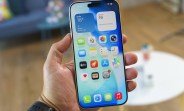
According to a new rumor out of Korea, Apple is trying to offset some of the higher costs of memory and storage for its upcoming iPhone 18 Pro Max by getting cheaper displays.
In fact, its panel suppliers Samsung Display and LG are apparently selling Apple the iPhone 18 Pro Max’s screen at an average price of $66.5, which is allegedly almost 20% below what Apple paid for the iPhone 17 Pro Max’s screen last year (in the $80 range).
Even last year, Apple was getting cheaper displays than the year before that, with the iPhone 16 Pro Max’s screen reportedly costing above $100 at times.
Why Apple Is Reducing Display Costs
Apple’s push to lower display expenses comes as the company faces rising costs for other key components, particularly memory and storage. With the iPhone 18 Pro Max expected to feature upgraded RAM and faster storage options, the bill of materials has climbed. By negotiating lower prices for the screen, Apple can maintain its profit margins without passing the full cost to consumers.
Market Pressures and Supplier Competition
The display market is highly competitive, with Samsung Display and LG Display vying for Apple’s business. Both suppliers have improved manufacturing efficiency for LTPO OLED panels, allowing them to offer better pricing. This competition benefits Apple, which has a history of leveraging supplier relationships to drive down costs.
Impact on iPhone 18 Pro Max Pricing
While the display savings are significant, they may not directly translate to a lower retail price for the iPhone 18 Pro Max. Instead, Apple could use the savings to absorb other cost increases or to enhance features without raising the price. Analysts suggest that the iPhone 18 Pro Max will likely retain a similar price point to its predecessor, but with better value for consumers.
Display Technology and Quality Considerations
Despite the lower cost, the iPhone 18 Pro Max’s screen is expected to maintain high standards. The panels from Samsung and LG will still use advanced LTPO technology, offering ProMotion 120Hz refresh rates and excellent color accuracy. The cost reduction is achieved through improved production yields and economies of scale, not by compromising on quality.
Comparing Display Costs Across Generations
The trend of declining display costs is evident when looking at recent iPhone models. The iPhone 16 Pro Max’s screen reportedly cost over $100 per unit, while the iPhone 17 Pro Max dropped to around $80. Now, the iPhone 18 Pro Max is projected to cost just $66.5 per screen, marking a 35% reduction from two years ago.
What This Means for Future iPhones
If Apple continues to secure lower display prices, it could influence future iPhone designs. Lower component costs may allow Apple to invest in other areas, such as camera systems or battery technology. Additionally, it could help the company maintain competitive pricing in a saturated smartphone market.
Supplier Dynamics and Long-Term Contracts
Apple’s relationship with Samsung Display and LG Display is built on long-term contracts that ensure a steady supply of high-quality panels. These contracts often include pricing clauses that adjust based on market conditions and production volumes. The reported $66.5 price likely reflects Apple’s ability to negotiate favorable terms due to its massive order quantities.
Potential Challenges for Suppliers
While Apple benefits from lower prices, suppliers like Samsung Display and LG Display face pressure on their profit margins. To compensate, they may focus on increasing production efficiency or developing new technologies that command higher prices in other markets. The display industry is known for its cyclical nature, and these dynamics could shift in the future.
Consumer Benefits and Market Reaction
For consumers, the cost savings on the iPhone 18 Pro Max’s screen may not be immediately visible, but they contribute to overall product value. Apple can allocate resources to improve other features, such as battery life or processing power, without increasing the price. This strategy helps Apple retain its premium brand image while staying competitive.
Rumors vs. Reality
It’s important to note that this information comes from a rumor out of Korea and has not been officially confirmed by Apple. Display cost estimates can vary based on production yields and component configurations. However, the trend of decreasing display costs aligns with industry reports and Apple’s historical cost-management practices.
As we approach the iPhone 18 Pro Max’s expected launch later this year, more details will emerge. For now, the prospect of a high-quality screen at a lower cost is good news for Apple and its customers alike.