
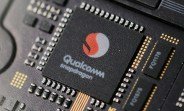
Smartphone shipments have been on a steady decline for the past few months, as the ongoing memory chip shortage continues to disrupt OEMs. Unsurprisingly, other critical components are also feeling the pressure. Take smartphone chipsets, for example. According to the latest Counterpoint Research report, global smartphone chipset shipments have dropped by 15% during the first half of 2026.
The two biggest players—Qualcomm and MediaTek—have been hit the hardest, with an estimated 25% decline in SoC shipments compared to H1 2025. For Qualcomm, the flagship Snapdragon 8 Elite Gen 5 model and the rest of its lineup have seen reduced demand as smartphone makers prioritize cost-cutting and inventory management. MediaTek, meanwhile, faces similar headwinds, with its mid-range and budget chipsets struggling to maintain volume amid a saturated market.
Why the Decline? Key Factors Behind the Drop
The 15% year-over-year decline in chipset shipments isn’t a random event—it’s the result of several converging forces. First, the memory chip shortage, which began in late 2025, has cascaded through the supply chain, forcing OEMs to delay or scale back production. This directly reduces the number of chipsets ordered. Second, consumer demand for new smartphones has softened globally, particularly in mature markets like North America and Europe, where upgrade cycles are lengthening. Third, geopolitical tensions and trade restrictions have added uncertainty, making it harder for companies like Qualcomm and MediaTek to forecast demand accurately.
Memory Chip Shortage and Its Ripple Effects
The memory chip shortage remains the primary driver of this downturn. While it primarily affects DRAM and NAND flash, the ripple effects extend to SoCs because smartphone manufacturers often bundle components. When OEMs can’t secure enough memory chips, they reduce overall device production, which in turn lowers chipset orders. This has been especially painful for Qualcomm, which relies on high-volume flagship and mid-range deals with top-tier brands like Samsung and Xiaomi.
Consumer Demand Softens Across Regions
Consumer spending on electronics has cooled, with inflation and economic uncertainty pushing people to hold onto their devices longer. In emerging markets like India and Southeast Asia, demand remains relatively resilient, but it’s not enough to offset declines in China and the West. The result is a global market where chipset shipments are shrinking, and both Qualcomm and MediaTek are fighting for a smaller pie.
Qualcomm and MediaTek: A Tale of Two Giants
Both companies are experiencing significant pain, but their situations differ in key ways. Qualcomm’s premium Snapdragon lineup has been a cash cow for years, but the 25% drop in shipments suggests that even high-end devices aren’t immune to the slowdown. MediaTek, known for its aggressive pricing in mid-range and budget segments, is also struggling as OEMs cut orders for affordable phones.
Qualcomm’s Snapdragon 8 Elite Gen 5: A Flagship Under Pressure
The Snapdragon 8 Elite Gen 5, Qualcomm’s top-tier chipset, was expected to drive growth in 2026. However, with fewer flagship smartphones being produced, its shipments have fallen sharply. OEMs are opting for older, cheaper chipsets to reduce costs, which further pressures Qualcomm’s revenue. The company’s reliance on premium segments makes it vulnerable when the high-end market contracts.
MediaTek’s Mid-Range Struggles
MediaTek has long dominated the mid-range and budget segments, but the current downturn is hitting these areas hard. As consumers tighten their belts, they’re buying fewer new phones, and those they do buy are often lower-priced models. This should theoretically benefit MediaTek, but the volume decline is so steep that even its popular Dimensity series can’t offset the losses. The company is also facing increased competition from Unisoc and other players in the entry-level space.
Other Players in the Chipset Market
While Qualcomm and MediaTek dominate the headlines, other chipset makers are also feeling the heat. Apple’s A-series chips, used exclusively in iPhones, have seen a smaller decline thanks to the brand’s loyal customer base. Samsung’s Exynos chips, meanwhile, continue to struggle with adoption, as the company increasingly relies on Qualcomm for its flagship devices. Unisoc, a smaller player focused on low-cost chipsets, has actually gained some ground in emerging markets, but its overall impact remains limited.
Apple’s Relative Stability
Apple’s chipset shipments have held up better than the competition, thanks to the iPhone’s strong brand loyalty and a relatively stable supply chain. However, even Apple isn’t immune to the broader downturn. The company has reduced its orders for the A18 and A19 chips, reflecting cautious optimism rather than robust growth.
Samsung’s Exynos Dilemma
Samsung’s Exynos chips have long been a point of contention. While the company uses them in some Galaxy models, it still relies heavily on Qualcomm for its flagship S-series devices. The decline in overall smartphone shipments has made it harder for Samsung to justify investing in Exynos development, and the division is reportedly scaling back production.
Regional Impact: Where the Decline Hits Hardest
The chipset shipment decline isn’t uniform across the globe. Different regions are experiencing varying degrees of pain, depending on local economic conditions and consumer behavior.
China: The Epicenter of the Slowdown
China, the world’s largest smartphone market, has been hit particularly hard. Economic slowdown, property market woes, and reduced consumer spending have led to a sharp drop in new phone sales. This directly impacts chipset shipments, as Chinese OEMs like Xiaomi, Oppo, and Vivo are major customers for both Qualcomm and MediaTek. The 25% decline in shipments from these two giants is largely driven by reduced orders from China.
India and Southeast Asia: A Mixed Picture
In contrast, India and Southeast Asia have shown more resilience. The demand for budget and mid-range smartphones remains relatively strong, driven by a young population and increasing digital adoption. However, even these markets are seeing slower growth compared to previous years, as inflation and currency fluctuations dampen purchasing power.
North America and Europe: Stagnant Markets
Mature markets like North America and Europe are experiencing stagnation. Upgrade cycles are lengthening, and consumers are holding onto their devices for three to four years or more. This reduces the need for new chipsets, as fewer phones are being manufactured for these regions. The premium segment, which Qualcomm relies on, is especially affected.
Future Outlook: What’s Next for Smartphone Chipsets?
Looking ahead, the chipset market faces a challenging road to recovery. The memory chip shortage is expected to persist through the end of 2026, keeping pressure on OEMs. However, there are glimmers of hope. The rollout of 5G in emerging markets could drive new demand, and the eventual resolution of supply chain issues should help stabilize shipments.
Potential Recovery in H2 2026
Some analysts predict a modest recovery in the second half of 2026, as inventory levels normalize and consumer confidence improves. However, this recovery is likely to be uneven, with Qualcomm and MediaTek benefiting first from any uptick in flagship and mid-range orders. Smaller players may continue to struggle.
Technological Shifts: AI and Custom Chips
The rise of on-device AI and custom chip designs could reshape the market. Qualcomm is investing heavily in AI-capable Snapdragon chips, while MediaTek is exploring custom cores for its Dimensity series. These innovations may help differentiate products and drive demand, but they also require significant R&D investment, which could strain margins in the short term.
Conclusion: A Market in Transition
The 15% decline in global smartphone chipset shipments during H1 2026 is a stark reminder of the fragility of the tech supply chain. Qualcomm and MediaTek, the two dominant players, have borne the brunt of the downturn, but the entire ecosystem is feeling the pain. As the memory chip shortage eases and consumer demand stabilizes, a gradual recovery is expected. However, the landscape may look different, with a greater emphasis on AI, custom chips, and regional diversification. For now, the industry must navigate these turbulent waters with caution and adaptability.