
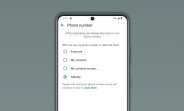
WhatsApp is reportedly developing a new privacy feature that would allow users to have granular control over who can see their phone number. This comes after the company introduced usernames in June, a move aimed at enhancing privacy by letting users communicate without sharing their phone numbers. The new feature, spotted in beta version 2.26.45.1 of WhatsApp for Android by WABetaInfo, is still in testing and not yet available to the public. If rolled out, it would give users more control over their personal information and could reshape how people interact on the platform.
WhatsApp’s Ongoing Privacy Evolution
WhatsApp has long been criticized for its reliance on phone numbers as the primary identifier for accounts. Unlike some other messaging apps, WhatsApp requires a phone number to sign up, which has raised concerns about privacy and security. The introduction of usernames was a significant step toward addressing these concerns, as it allowed users to connect without exchanging phone numbers. Now, the company is taking another step by testing a feature that would let users decide who can see their phone number.
This move is part of a broader trend in the messaging industry, where privacy and user control are becoming increasingly important. Competitors like Telegram and Signal have already implemented features that allow users to hide their phone numbers or use usernames. By testing granular phone number visibility, WhatsApp is signaling that it is listening to user feedback and is committed to providing more privacy options.
What the New Feature Entails
According to WABetaInfo, the new feature will allow users to choose who can see their phone number. The options are likely to include “Everyone,” “My Contacts,” and “Nobody.” This level of granularity is similar to other privacy settings on WhatsApp, such as Last Seen, Profile Photo, and About. Users will be able to access these settings from the Privacy section of the app.
The feature is currently in development and may change before its official release. However, the fact that it is being tested suggests that WhatsApp is serious about giving users more control over their personal information. Once rolled out, users will be able to hide their phone number from strangers, limiting the risk of unwanted contact or harassment.
How It Works
While the exact implementation details are not yet known, it is expected that the feature will work similarly to other privacy settings on WhatsApp. Users will be able to select who can see their phone number from a list of options. For example, if a user selects “My Contacts,” only people saved in their address book will be able to see their phone number. If they select “Nobody,” no one will be able to see it, except perhaps for WhatsApp itself for account-related purposes.
It is also possible that the feature will be integrated with the username system. For instance, users who hide their phone number may still be discoverable by their username. This would allow them to communicate with others without revealing their phone number, further enhancing privacy.
Implications for Users
The ability to control who sees your phone number is a significant privacy enhancement. Phone numbers are often tied to other personal information, such as social media accounts and online identities. By hiding your phone number, you reduce the risk of being found or contacted by people you don’t want to hear from. This is particularly important for individuals who use WhatsApp for both personal and professional purposes, or for those who are concerned about their online privacy.
For businesses, the feature could have implications for customer communication. Many businesses use WhatsApp to connect with customers, and phone numbers are often used as a primary contact method. If users can hide their phone numbers, businesses may need to rely more on usernames or other identifiers. However, it is likely that businesses will still be able to see the phone numbers of customers who initiate contact, depending on the user’s privacy settings.
Impact on Spam and Harassment
One of the most significant benefits of hiding your phone number is the reduction of spam and harassment. Currently, anyone who has your phone number can send you a message on WhatsApp, even if you don’t have them saved in your contacts. This can lead to unwanted messages from strangers, telemarketers, or even scammers. By limiting who can see your phone number, you can reduce the likelihood of receiving such messages.
However, it is important to note that hiding your phone number does not completely eliminate the risk of spam. Scammers may still find other ways to contact you, such as through usernames or group chats. Therefore, users should remain vigilant and use other privacy settings, such as blocking and reporting, to protect themselves.
Comparison with Other Messaging Apps
WhatsApp is not the first messaging app to offer granular control over phone number visibility. Telegram, for example, allows users to hide their phone number from everyone except their contacts. Signal also offers similar privacy settings. However, WhatsApp’s implementation may differ in terms of the options available and how they are integrated with other features.
One key difference is that WhatsApp’s usernames are still in the process of being rolled out. Once fully implemented, the combination of usernames and phone number privacy settings could make WhatsApp one of the most privacy-focused mainstream messaging apps. This could help WhatsApp retain users who might otherwise switch to more privacy-oriented alternatives.
Telegram and Signal’s Approach
Telegram has long been praised for its privacy features, including the ability to hide your phone number and use a username instead. Signal, known for its strong encryption, also allows users to hide their phone numbers. Both apps have seen growth in recent years, partly due to privacy concerns surrounding WhatsApp. By introducing similar features, WhatsApp is likely trying to stem the tide of users migrating to these competitors.
However, WhatsApp’s approach may be more gradual, as it needs to balance privacy with other considerations, such as preventing abuse and ensuring that the platform remains usable for its billions of users. The company has stated that it is committed to privacy, but it also needs to comply with regulations in various countries, which may affect how features are implemented.
Technical and Security Considerations
Implementing granular phone number visibility is not without challenges. WhatsApp needs to ensure that the feature does not break existing functionality, such as contact discovery and account recovery. For example, if a user hides their phone number, how will their contacts find them on WhatsApp? The username system may help, but it is not yet fully rolled out. Additionally, WhatsApp uses phone numbers for account verification and recovery, so the company will need to ensure that hiding the number does not compromise account security.
Another consideration is the potential for abuse. If users can hide their phone numbers, scammers and spammers may find it easier to operate anonymously. WhatsApp will need to implement measures to prevent abuse, such as rate limiting and reporting mechanisms. The company has experience in this area, as it already uses machine learning to detect and block spam.
Account Recovery and Verification
One of the biggest challenges is account recovery. Currently, if you lose access to your phone number, you may lose access to your WhatsApp account. If users can hide their phone numbers, they may need alternative recovery methods, such as email or backup codes. WhatsApp has not yet announced how it will handle this, but it is likely that the company is working on a solution.
Verification is another issue. WhatsApp uses SMS to verify phone numbers, which requires the user to have access to the number. If a user hides their number, they may still need to verify it during account setup. This is not a major hurdle, but it does mean that the phone number is still tied to the account, even if it is not visible to others.
When Will the Feature Be Available?
As of now, the feature is in beta testing and there is no official release date. WhatsApp typically tests new features for several weeks or months before rolling them out to all users. The company may also choose to abandon the feature if it encounters issues or if user feedback is negative. However, given the positive reception of usernames, it is likely that the phone number privacy feature will eventually be released.
Users who are interested in trying out beta features can sign up for the WhatsApp Beta program on Android. However, beta versions may be unstable and are not recommended for everyday use. It is also worth noting that features in beta may change before the final release.
Rollout Strategy
WhatsApp usually rolls out new features gradually, starting with a small percentage of users and expanding over time. This allows the company to monitor for issues and gather feedback. The phone number privacy feature is likely to follow a similar pattern. It may first be available to beta testers, then to all Android users, and eventually to iOS users. The company has not yet announced which platforms will receive the feature first.
What This Means for WhatsApp’s Future
The development of granular phone number visibility is a clear indication that WhatsApp is prioritizing user privacy. In recent years, the app has faced criticism over its data sharing practices and encryption policies. By giving users more control over their personal information, WhatsApp is trying to rebuild trust and differentiate itself from competitors.
This feature could also have implications for how people use WhatsApp. If users can hide their phone numbers, they may be more willing to share their usernames or join group chats with strangers. This could lead to more connections and interactions on the platform, which is good for engagement. However, it could also lead to more spam and harassment if not properly managed.
Potential Impact on Business Features
WhatsApp has been expanding its business features, such as WhatsApp Business and the ability to shop directly within the app. If users can hide their phone numbers, businesses may need to adapt their communication strategies. For example, they may need to rely more on usernames or in-app messaging rather than phone numbers. This could be a challenge for small businesses that use phone numbers as a primary contact method, but it also presents an opportunity to build more private and secure relationships with customers.
Conclusion
WhatsApp’s testing of a feature that allows users to control who sees their phone number is a significant development in the ongoing evolution of privacy on the platform. Building on the username feature introduced in June, this new setting would give users more control over their personal information and could help reduce spam and harassment. While the feature is still in beta and details are scarce, it is clear that WhatsApp is listening to user concerns and is committed to enhancing privacy. As the messaging landscape becomes more competitive, such features could be key to retaining users and attracting new ones.
For now, users will have to wait for the official rollout to see how the feature works in practice. In the meantime, they can use existing privacy settings to limit who can see their profile photo, last seen, and other information. As always, it is advisable to keep the app updated to receive the latest features and security patches.